Not all beginners know that different positions have completely different value for the seller. But in any business, success is measured not by the number of orders, but by actual profitability.
You can sell hundreds of items a day and barely break even, or you can sell a dozen high-margin products and earn many times more. It all depends on the margin. Without a clear understanding of this indicator and the ability to calculate it, it is difficult to bring your business to the desired level of profitability.
That is why every entrepreneur dreams of finding that one product that will become a real “gold mine.” But why do some items bring in pennies, while others literally generate profits? And the main question is: how can you identify high-margin products and build your sales strategy around them?
Let’s look at some specific examples of how to find the top high-margin products for the Ukrainian market and turn them into a stable source of income.
What are high-margin goods?
Margin is an indicator that shows how much revenue remains after deducting direct costs for purchasing or manufacturing products. Essentially, it answers a simple question: how much of each hryvnia earned can you allocate to rent, advertising, salaries, and, finally, net profit?
Calculating margin is not difficult. The formula looks like this:

Here:
- Margin — the difference between revenue and cost;
- Revenue — the total amount received from sales (number of units sold × price per item);
- Cost price — all direct expenses: purchase of goods, materials, production, delivery, customs duties for imports.
Let’s look at an example. Suppose you sold goods worth ₴200,000 in a month, and their purchase cost ₴140,000.
Margin = ₴200,000 – ₴140,000 = ₴60,000
Margin = (60,000 / 200,000) × 100 = 30%
What does this mean in practice? For every hryvnia that a buyer pays you, 30 kopecks go toward covering operating expenses and generating net profit. The remaining 70 kopecks are the cost of goods.
Three categories of goods by margin:
- Low-margin goods (margin of 10–20%). These are the things that surround us in everyday life: bread, milk, cereals, hygiene products, household chemicals. Such items are bought often and in large quantities, competition is fierce, and there is virtually no opportunity to raise prices — the buyer will simply go to a neighboring seller. Profits are based solely on large volumes. The advantage is that demand is stable and predictable: people will always buy baby food and laundry detergent.
- Medium-margin goods (margin of 20–50%). These include items that are purchased less frequently but used for longer: smartphones, household appliances, building materials, delicacies such as caviar or craft cheese. Customers are willing to pay more because they choose carefully and compare options. Sales volumes here are more modest than for essential goods, but each transaction brings significantly more profit.
- High-margin products. These are items that generate maximum revenue from each unit sold (50% or more). Even with a small number of orders, you can make a good profit. As a rule, such products have emotional value, uniqueness, innovation, or limited supply on the market. High-margin products are especially attractive for businesses: they provide an opportunity to quickly increase profits even with a modest start-up budget or limited traffic.
By the way, Yana Lyashenko talked about how to find high-margin products to promote on Google Merchant Center in her new video:
Why is it important to know the margin on goods?
Regular margin calculation is not just an accounting formality. With this tool, you can:
- Monitor the effectiveness of purchases. A high margin indicates that you have successfully established relationships with suppliers and optimized production processes. In addition, a good margin creates a safety net to cover variable costs such as advertising, rent, salaries, and unexpected expenses.
- Make strategic decisions more effectively. When you see the actual figures for each item, it becomes clear which products are driving your business and which are simply taking up space in your warehouse. This helps you reallocate limited resources: invest more in promoting profitable categories and abandon those that are dragging you down.
- Plan and make forecasts. Knowing your margin, you can calculate your break-even point, assess financial risks, and understand how much you need to sell to achieve your desired income. Without this data, budgeting becomes like reading tea leaves.
How does margin differ from markup?
These two terms are often confused, although they measure completely different things:
- The markup shows the percentage by which you increase the price relative to the cost price. The formula is simple: divide the profit by the cost price.
- The margin shows what percentage of the total sale price remains with you as profit. Here, the profit is divided by the sale price.
Let’s look at a specific example. You purchased goods for ₴80 and are selling them for ₴150. The gross profit is ₴70.
Markup: 70 ₴ ÷ 80 ₴ × 100% = 87.5%
Marginality: 70 ₴ ÷ 150 ₴ × 100% = 46.7%
See the difference? For the same transaction, the markup looks impressive—almost 90%—while the margin is more modest—about 47%. But it is the margin that shows the real picture: how many hryvnia out of every hundred in revenue remain with you.
When to use it? Markup is handy for quickly figuring out the retail price: if you bought something for $100 and want to make a 50% profit, you set the price tag at $150. But margin is the most important indicator for analyzing the profitability of the business as a whole. It is used as a guide when forming the product range, assessing the profitability of categories, and making decisions about high-margin products that are worth promoting more actively.
Types of high-margin goods for business
So, which categories bring in the most profit? Let’s check out the main types of high-margin products that are worth keeping in mind:
- Situational goods. These are items that are purchased infrequently, but for significant occasions — and here the buyer is willing to pay without haggling. Gift sets for newborns, jewelry, dresses, prom dresses — all of this is not about sales, but about high markups on each item. Net profit in this niche can be 300% or even higher. The logic is simple: people choose a wedding ring or the dress of their dreams once in a lifetime and are unlikely to skimp on emotions.
- Seasonal goods. A familiar situation: December, the first snow, and no warm jacket? Many of us don’t like to prepare for the season in advance — and that’s exactly how retailers make their money. A down jacket that was gathering dust in September with a price tag of $50 sells for $80 in the middle of winter without a single objection. This includes both expensive items (fur coats, winter shoes) and budget items (New Year’s garlands, carnival costumes, Christmas tree decorations). A separate category is situational demand: merchandise from a popular movie or TV series, or items related to sporting events. While the hype is still going strong, the margin on such items is maximum.
- Exclusive and scarce goods. Handmade designer items, limited editions, products that are only manufactured abroad and difficult to obtain—all of these can be sold at a substantial markup. Think about how we value souvenirs from faraway countries: it seems as if they hold a piece of that very “beautiful distance.” However, scarcity has a downside: if the product is really in demand, competitors will quickly notice your business model. Someone will set up supplies, someone will find an analogue — and your advantage will melt away. Therefore, in this niche, it is important to constantly look for new items.
- New products on the market. Technical gadgets, innovative devices, trendy goods, everything that has just appeared and is already causing a stir — these are the highest-margin goods. Buyers are willing to overpay for the opportunity to be the first to get their hands on a new product. A classic example is the launch of the latest iPhone: in the first few weeks, the margin is at its highest, and then gradually decreases as the market becomes saturated and the model becomes obsolete. The story is similar with game consoles, smart watches, and new-generation wireless headphones.
- Goods from Asia with low purchase prices. China, Vietnam, Cambodia—if local equivalents are 4–5 times more expensive and the quality is comparable, this is a great opportunity to make money. Smartphone accessories, home goods, jewelry, small electronics — there are tons of examples. But, as with exclusive goods, this type of business requires a constant search for new items. If your competitors discover your supplier, your advantage will disappear.
Why is it profitable to sell high-margin goods?
Working with products that have a high markup gives businesses a number of specific advantages:
- A quick path to financial goals. When every transaction generates tangible income, there is no need to pursue large sales volumes. A simple example: by selling 30 designer leather bags, you will earn as much as you would by selling 300 budget backpacks. Less hustle and bustle — more profit.
- Flexibility in pricing. A solid margin gives you freedom: you can confidently launch promotions, offer discounts to regular customers, and connect affiliate programs—while still making a healthy profit. Did you knock 25% off during the seasonal sale? You still made money. This trick won’t work with low-margin goods.
- Focus on quality, not quantity. In high-margin niches, you don’t have to spread yourself thin across thousands of orders; instead, you can focus on each individual buyer. Build relationships, remember preferences, and offer personalized recommendations. Ten loyal customers who come back again and again are more valuable than hundreds of random visitors.
- Resources for development. Part of the profit can easily be directed to areas where it will generate even more income: professional product photography, stylish packaging, a new advertising channel, service improvements. And this will not “eat up” all your earnings, as is the case with minimal markups.
- Reputation as an expert in your niche. When you work with unique, designer, or complex items, buyers begin to perceive you not as just another store, but as specialists. This creates a premium brand image and allows you to justify higher prices.
If you sell high-margin goods, you will not only make a good profit on each unit, but also gain freedom to maneuver in terms of pricing, marketing, and customer service development.
How to work with high-margin goods?
- Take into account the instability of demand. Purchasing activity for high-margin goods can change dramatically under the influence of trends, seasons, and the economic situation. Therefore, it is important to keep your finger on the pulse of the market and be prepared to adapt quickly. A classic example: on December 30, live Christmas trees are a hot commodity with excellent margins, but by January 2, they are unwanted trees that have to be sold for pennies. The same applies to trendy goods: today everyone wants spinners or pop-its, but in a month they will be forgotten. Regularly analyze your sales and follow the news in your niche — otherwise, you risk being left with expensive but unwanted goods in your warehouse.
- Calculate your markup before sales begin. It seems simple: buy cheap, sell dear. But in reality, there is an iron law of business: the more profitable the niche, the more people want to get into it. Competition grows, supply increases, and demand remains the same. Those who survive are those who either know how to manage demand through marketing or optimize costs — for logistics, storage, and advertising. Before launching, be sure to calculate: the markup must cover delivery, marketplace commission, advertising, salaries — and still leave you with a profit. And most importantly, check whether the final price is competitive. If a similar product is 30% cheaper at your neighbor’s, the buyer will go to them.
- Combine products with different margins. It is risky to rely solely on high-margin items, as demand for them is unstable. It is wiser to build a balanced assortment. That is why jewelry stores offer simple silver earrings alongside gold, and fashionable shoe boutiques offer creams and brushes for shoe care. The optimal structure is: loss leaders with a minimal markup (attract traffic), high-margin “profit drivers” (generate the main income), and complementary items with a medium margin (sold as “extras” and increase the average check). This approach reduces risks and helps to work steadily with high-margin goods over the long term.
- Experiment with prices. The idea is simple: prices change depending on demand, season, competitors’ actions, or the behavior of a specific user. Another effective method is A/B testing. Real-life example: a premium jewelry store tested two price tags for one set — $550 and $790. At the higher price, conversion decreased by only 4%, but profitability increased by 27% due to the increased margin. Sometimes it is more profitable to raise the price than to chase sales volume.
List (top 10) of the most high-margin products with high markups
Theory is all well and good, but let’s get down to specifics. Which categories allow you to earn the most? We have compiled a selection of high-margin products that consistently show excellent profitability in the Ukrainian market. Some of them require special permits, while others can be sold starting tomorrow — choose what suits you best.
Fresh flowers

A classic example of high-margin trading. On normal days, the selling price is about twice the purchase price, and before holidays, the markup soars to 200–300%.
Valentine’s Day, March 8, September 1, graduation ceremonies — during these periods, demand is so high that buyers are willing to pay almost any price. The main thing is to plan your purchases wisely and not be left with wilted goods after the peak day.
Premium alcohol

Whiskey, cognac, armagnac, aged rum, premium tequila, collectible wines—all of these can be sold at a very substantial markup. The secret is simple: premium alcohol is popular as a gift, and people don’t skimp on such things. People pay not so much for the contents of the bottle as for the brand, the history, and the beautiful packaging.
An important detail for Ukraine: a license is required to sell alcohol, so set aside time and budget for obtaining one.
Expensive tea and coffee

The situation is similar to alcohol, but without the hassle of licenses. Rare varieties of tea—long-aged pu-erh, high-mountain oolong, Japanese matcha—and coffee from specific regions attract connoisseurs who are willing to pay for quality. Add beautiful gift packaging, and the product becomes the perfect present.
An interesting trend: today, more and more stores are betting on loose tea and coffee as a high-margin complementary product — this works both online and offline.
Jewelry
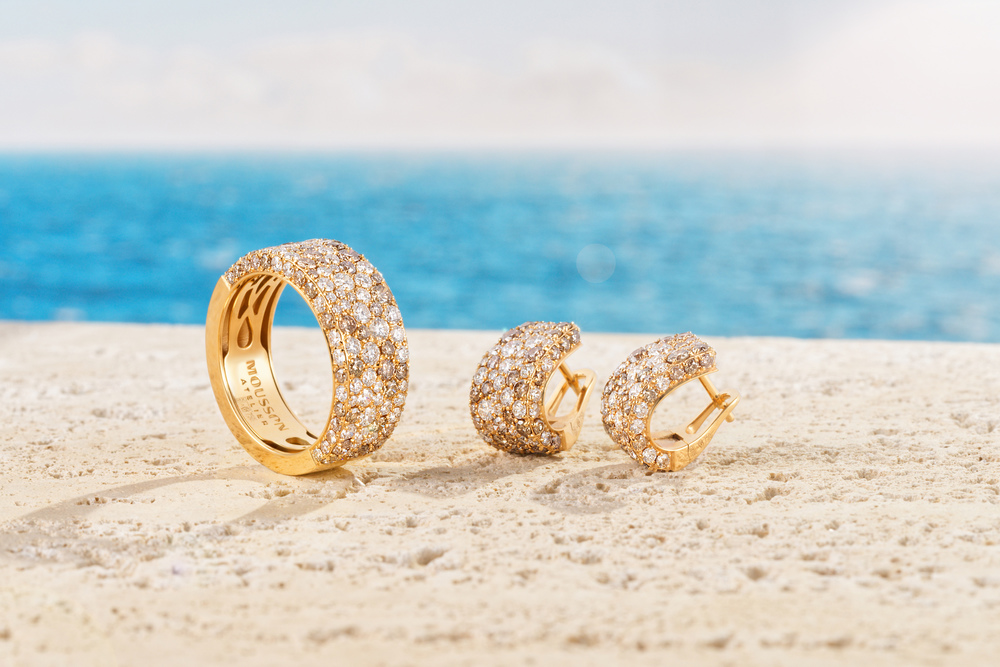
Gold, silver, precious stones—this niche consistently brings high profits. They are bought for both women and men, and there are many reasons to buy them: engagement, wedding, birth of a child, anniversary, or simply the desire to please a loved one.
This is a classic “gift” item, on which it is not customary to economize. The buyer pays not only for the grams of metal, but also for the brand, design, and emotions. That is why the markup in the jewelry segment can reach 100–300% and above.
Handmade
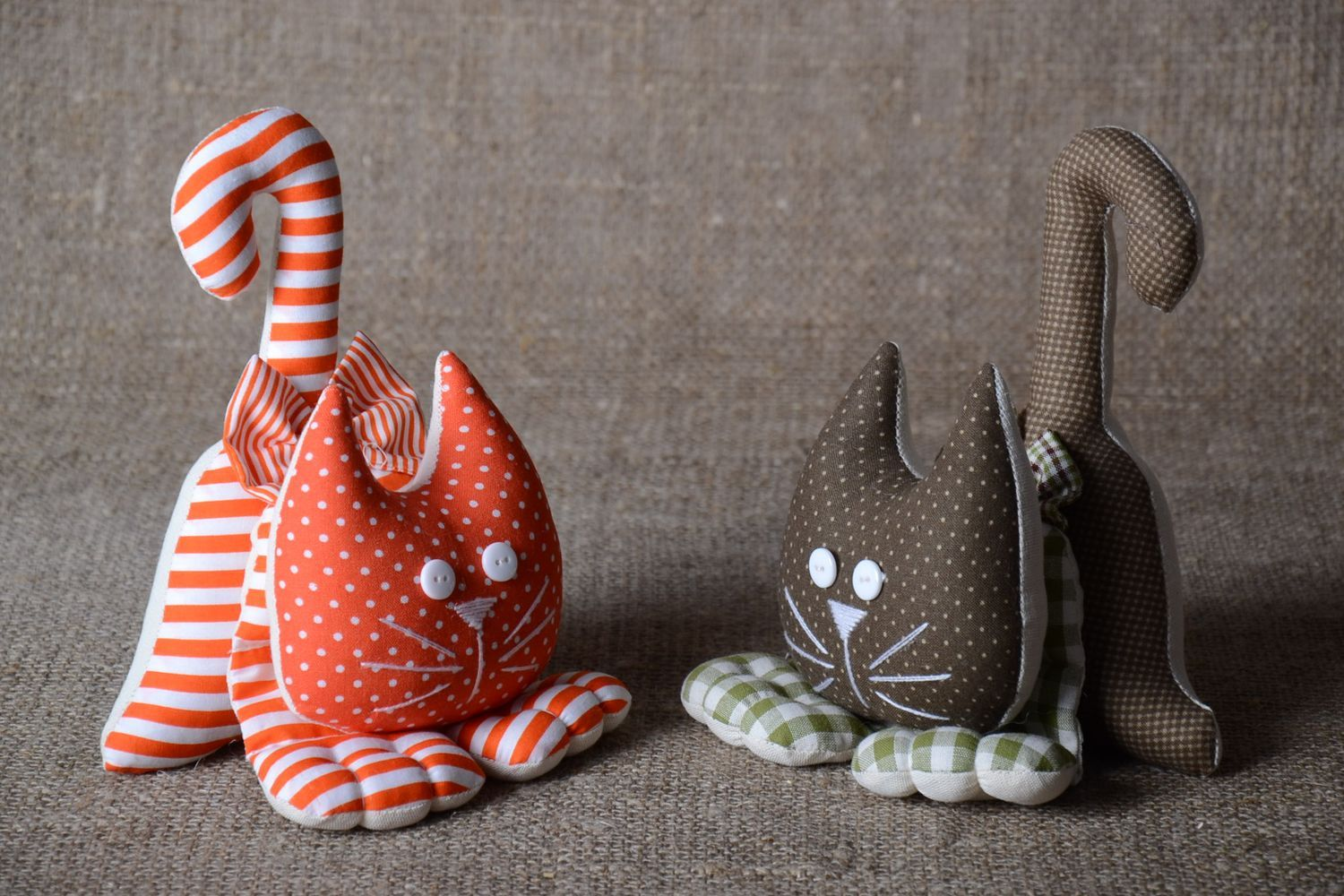
Handmade products are a separate universe with virtually unlimited margin potential. Bags, clothing, accessories, interior decor, designer dolls — when an item is handmade and one-of-a-kind, the markup easily exceeds 100%, which is quite logical: how can you estimate the cost of a unique piece of craftsmanship? How much is creativity worth?
Handmade goods are experiencing a real boom today. Buyers are tired of the mass market and are willing to pay for exclusivity—designer items, accessories, stylish trinkets that no one else has. The market is still calm, competition is lower than in other niches, and demand is still high. With the right approach, this direction can become a real gold mine.
Sunglasses

Trendy sunglasses have long been an accessory that shows the status of the owner, on par with watches, shoes, and bags. Fashion trends change, people update their collections regularly, and are willing to pay for the latest models without thinking twice about the price. According to some estimates, the margin on branded sunglasses can reach 1500%.
The target audience here is practically unlimited—it includes men, women, and children. The market is so developed that there are countless suppliers, which in turn allows customers to choose the best terms for their purchases.
But it’s not without its difficulties. Selling sunglasses is like selling soft drinks: the main goal is to earn as much as possible in one season. It’s important to understand trends in advance and buy popular models, otherwise you risk being left with unsold goods in September. And one more tip for offline sales: look for the most accessible locations: beaches, tourist areas, or even shopping centers.
Pet supplies

Pets have long been considered full-fledged members of the family, and people try not to skimp on them, just as they do with their children. Clothing, cozy beds, special aquariums with equipment—all of these items are in steady demand and help generate excellent margins.
Owners are willing to pay for quality and comfort for their pets, especially when it comes to health or safety. And given that the number of pets in Ukrainian families is growing, the niche remains promising.
Smartphone accessories

Electronics stores have long noticed a paradox: accessories sell better than smartphones themselves, and they generate significantly more profit. Cases, protective screens, chargers, memory cards—the margin on these items reaches 120–150%. By comparison, sellers earn about 10% on smartphones and tablets themselves.
An interesting detail: 8 out of 10 accessories sold are not original brands, but so-called B-brands or completely unbranded products. Buyers understand that there is no point in overpaying for a logo on a case. Additional income can be earned from services such as applying protective glass, installing applications, and configuring devices.
Wedding dresses

The trend for lavish, princess-style dresses is gradually giving way to more minimalist silhouettes, but wedding dresses remain expensive — as do their margins. According to analysts, the markup on some models reaches 290%.
But the dress is just the beginning. Wedding salons and ateliers increase their profits by offering additional services: dress alterations, rentals, and accessory sales. The margin on accessories can soar to 700%. So, if you enter this niche, think comprehensively: sell not only dresses, but everything that goes with them.
Designer lingerie

Underwear generally has a good markup, but designer underwear sets real records—here, the margin can exceed 500%. The reasons are clear: the cost of production is relatively low, the product is compact, does not spoil, and does not require special storage and transportation conditions.
However, there are limitations. Competition in this niche is fierce, with both offline stores and online platforms growing in number. Demand for premium lingerie depends heavily on the city and the purchasing power of the audience. In cities with a population of over a million, such as Kyiv, Odesa, or Lviv, the chances of success are higher, but in smaller cities, it is more difficult.