The store owner looks at the report: sales are high, there are plenty of orders, but there’s barely a dime left in the account until the end of the month. Sound familiar? Margin isn’t the number you see on the invoice. It’s what’s left after small and not-so-small deductions, unexpected returns from the post office, packaging, acquiring fees, competitors’ dumping, and a dozen other hidden line items.
And here’s the real problem: most sellers don’t understand where their money is going. That’s why they can’t seem to fix it. Let’s break down where a small online store’s revenue is disappearing—and what to do about it.
What is margin in e-commerce, and why is it easy to confuse it with markup?
Before you start looking for where your margin is disappearing, you should make sure you’re calculating it correctly. In practice, that’s where the confusion usually begins.
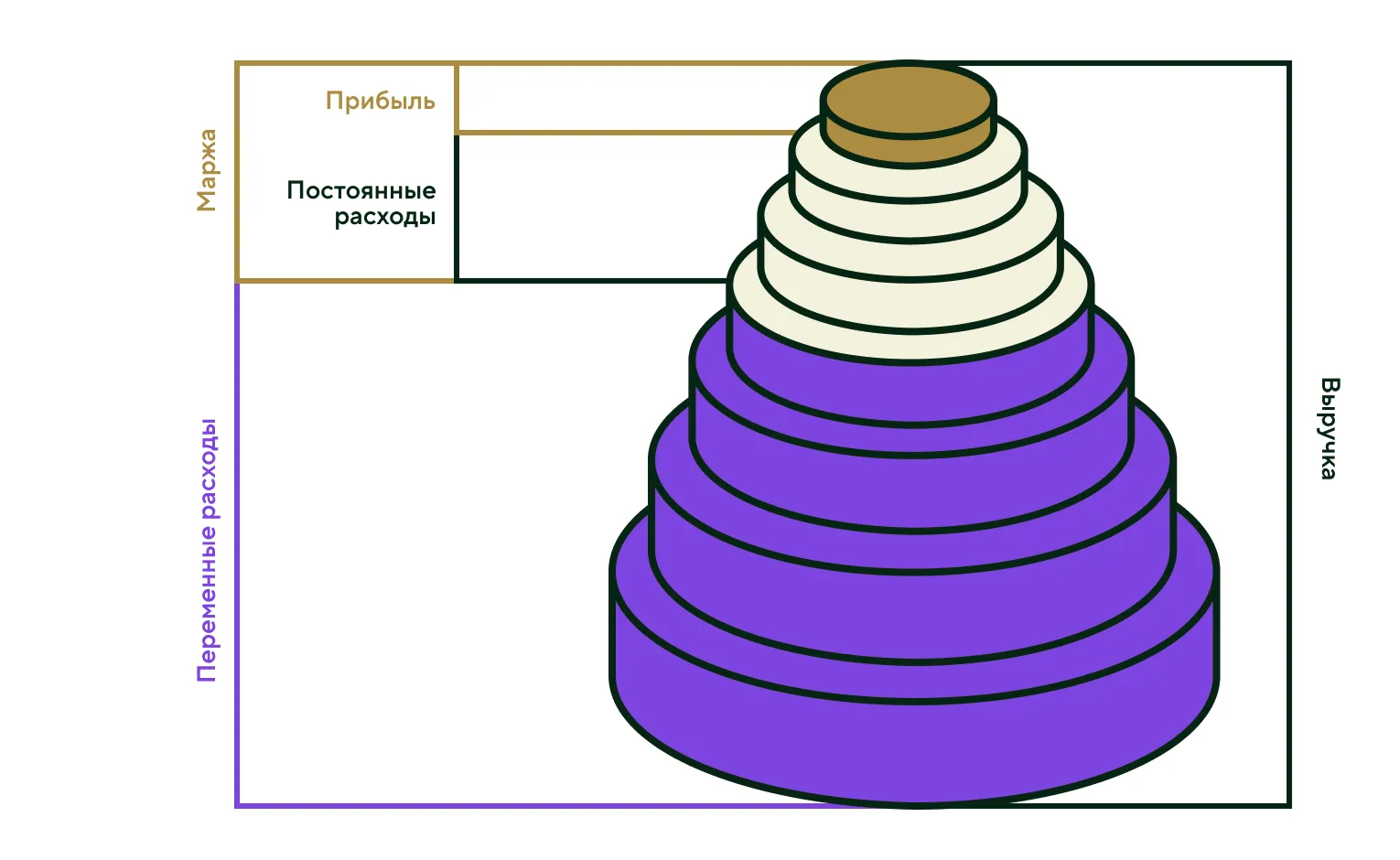
Markup is the difference between the cost price and the selling price, expressed as a percentage. Bought for 1,000 UAH, sold for 1,500 — a markup of 50%. The margin is calculated based on the retail price. In this example, the margin is about 33%. The difference may seem technical, but business owners often miscalculate: “My margin is 50%, where’s the money?” — when in reality it’s 33%.
It’s important to distinguish between gross margin and net margin. Gross margin is revenue minus cost of goods sold. Net margin is what remains after all additional expenses—such as packaging, salaries, warehouse rent, and so on. Net margin is the metric that’s the whole reason you’re in online retail in the first place.
Quick check: if you calculate your margin as “price minus cost,” you’re actually calculating your markup. And your store’s actual profitability is 10–25% lower than you think.
Where exactly does an online store lose its profits?
In theory, it’s simple: buy low, sell high, and pocket the difference. In practice, however, there are a lot of costs involved between “buying” and “pocketing the difference.” Most of these costs are insignificant on their own, but together they eat up half the profit margin.
Marketplace and platform fees

First and foremost is the sales commission. On Rozetka, it depends on the product category and ranges from 15% to 25%, plus a monthly subscription fee is often added. On Prom.ua, it’s around 3% to 18%, but package fees, in-platform advertising, and “hidden” service charges are added on top. On Amazon, a professional account starts at $40 per month plus 15–20%.
Important! The marketplace charges a commission on every sale. If a customer visits your store for the first time and makes ten more purchases, a percentage is deducted from all orders.
It’s worth noting that in the electronics sector, commissions can easily reach 30%. Just imagine: you sold a smartphone for 20,000 UAH, and 6,000 went to the marketplace.
Advertising expenses and customer acquisition cost (CAC)
Google Ads, Facebook, Instagram, in-app advertising, SEO specialist, content manager. All of these factors contribute to the CAC—the cost per acquisition. The formula is simple: divide your budget by the number of new customers. If you spent 50,000 UAH in a month and acquired 100 new customers, your CAC is 500 UAH.
At the same time, it is essential to take the LTV (lifetime value—the total revenue generated by a single customer over the entire duration of the relationship) into account. In an effective model, LTV should be three times higher than CAC. If you pay 500 UAH for a new customer, that customer should generate at least 1,500 UAH in net profit for you.
And that’s when the surprises start. On a marketplace, CAC tends to be lower (since the platform generates its own traffic), and LTV drops sharply—customers become loyal to the marketplace and ignore you. On your own website, customer acquisition costs more, but repeat sales are essentially free.
The Forgotten Cost
Cost price is not the purchase price. You need to add the costs associated with the product:
- Delivery from the supplier to the warehouse;
- Customs duties and VAT on imports;
- Warehouse storage (rental, security, temperature control);
- Quality control and pre-sale preparation;
- Write-off of defective products and losses during transportation.
Many aspiring entrepreneurs add 5–10% to the purchase price and assume they’ve got everything figured out. In reality, the actual cost is often 15–25% higher than the supplier’s “net” price.
Shipping (Nova Poshta and Ukrposhta)

Shipping is a whole other story. It seems like the customer pays for shipping. But in practice, the seller covers the costs:
- Return shipping for returns;
- Packaging materials—boxes, plastic wrap, packing material, packing tape;
- Return of unclaimed packages;
- The time a manager spends filling out a delivery note.
Cancellation of Purchase
Unclaimed—the customer placed an order but did not pick up the package from the Nova Poshta branch. Returned—the customer picked up the package but returned it within 14 days in accordance with consumer protection law. This is a real problem for Ukrainian e-commerce.
Under Ukrainian law, the seller is responsible for return-related costs. You pay for shipping to the seller, return shipping, and possibly storage, plus the item may be returned in less-than-perfect condition—meaning you won’t be able to sell it at full price.
Unclaimed items can account for between 5% and 30% of sales, depending on the niche. The highest percentage is found in clothing and footwear (where customers “tried it on and didn’t like it”), while the lowest is in highly specialized products purchased after careful consideration.
Acquiring and payment fees

Online card payments incur a 1–3% commission to the payment processor. It may seem like a small amount. But with a monthly turnover of 500,000 UAH and 70% of payments made online, you’ll pay 7,000–10,000 UAH in acquiring fees. Plus interest on transferring funds from the payment system to your account, banking services for sole proprietors, and taxes.
Operating expenses
This includes everything that enables the store to operate but isn’t directly related to the products: salaries for the manager or call center staff, CRM fees, phone service, platform subscriptions (Khoroshop, Shopify, WooCommerce hosting), an accountant, marketing, content creation, and a photographer.
If there’s just one person working in the store, you’ll need at least 15,000–25,000 UAH per month for their salary. Divide that amount by 100 orders, and you get 150–250 UAH added to each receipt in the form of “invoices”—a cost that few people factor into their cost of goods sold.
Marketplace vs. a proprietary website: which offers higher margins?
There is both a theoretical and a practical answer to this question. Let’s start with the theoretical one.
Let’s consider the cosmetics niche. The average market price is 2,000 UAH. The cost of goods sold is 1,200 UAH, and variable costs are 400 UAH. Google claims that customers are not sensitive to price differences within a range of plus or minus 3%—provided that the website offers additional perks.
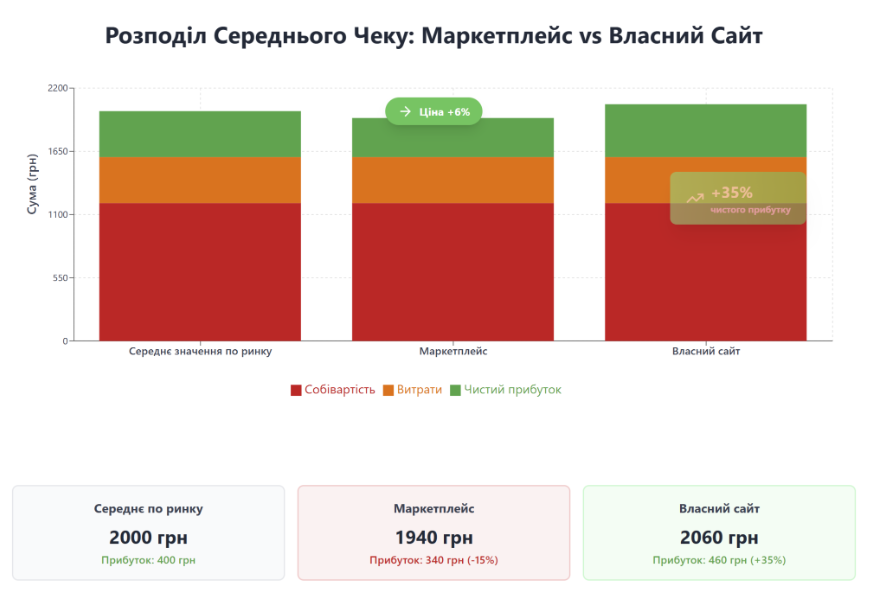
Scenario 1. A seller on a marketplace. To win the order, you have to be the cheapest. Total: 1,940 UAH. Cost of goods and expenses: 1,200 + 400 = 1,600 UAH. Net profit: 340 UAH.
Scenario 2. Seller on their own website. Thanks to the service, brand, and additional benefits, they set a price above the average—2,060 UAH. All other metrics remain the same. Net profit: 460 UAH.
The difference is 120 UAH per sale, or a 35% increase in profit. With hundreds of transactions, that’s 12,000 UAH a month in your pocket thanks to the price.
But that’s just the first sale. The real fun begins from here on out.
The Power of Repeat Sales and LTV
Let’s take the cosmetics niche as an example. On average, customers in this category make a purchase 2.5–3.5 times a year. If they make a repeat purchase on a marketplace, you pay the commission again, compete with your shelf neighbors again, and engage in price dumping again. And the customer has a “buy from other sellers” button right there.
And if you have your own website, customers come directly to you. Advertising on it is no longer necessary (or is needed only minimally—email, SMS, push notifications, remarketing). Commission—zero hryvnia. Net profit from repeat orders grows by 94% because the “marketing tail” associated with the purchase disappears.
Note: The main difference between a marketplace and your own website isn’t the commission on the first sale. It’s about who gets the customer after that first purchase. On a marketplace, the customer belongs to no one. On your website, they’re yours.
Where does this excess margin go?
A logical question: “Okay, the profit margin is higher on the website. But I have to pay for advertising, whereas on the marketplace, the platform handles that for me.” That’s true for the first order. On the marketplace, the commission is 30% for electronics and 15–20% for cosmetics—and that rate is fixed.
Once you’ve attracted a customer to the site, you won’t have to pay for them. Email newsletters, push notifications, chatbots, and loyalty programs are either free tools or cost just a few hundred hryvnias a month for the database. Each customer costs just a few kopecks instead of hundreds of hryvnias in commissions.
Hidden Competitors: How to Lose Margin on a Marketplace
Few people talk about this point, but it’s crucial. You’re investing money in marketing, driving traffic to a product page within the marketplace—in effect, you’re buying traffic… for the marketplace.
Imagine this: You’ve launched a Google Ads campaign, and it brought a customer to your listing on Rozetka. The customer opened the listing, saw your competitors’ offers (at lower prices) at the top, and went there instead.
The audience you’ve paid for is actually being resold to your competitors. The marketplace profits twice: from you and from the seller next to you.
How do you calculate an online store’s actual profit margin, taking all costs into account?
Here is a simple table that lets you evaluate any online store. Let’s take one order with an average order value of 1,500 UAH:
Article | Suma | Comment |
Revenue (average check) | +1,500 UAH | The amount the customer paid |
Cost | −800 UAH | Purchase price |
Transportation, packaging, pre-sale preparation | −60 UAH | People often forget to add |
Marketplace commission or website advertising | −150–300 UAH | CAC, broken down by conversion |
Acquiring and payment fees | −30 UAH | About 2% of revenue |
Shipping paid by you | −30 UAH | At least in part, as a rule |
Return and non-redemption rate | −75–150 UAH | 5–15% of revenue |
Operating expenses per order | −100–200 UAH | Manager’s salary, CRM, platform |
Net income | 75–250 UAH | Actual margin: 5–17% |
The actual margin is 5–17%, not “50%, as in the markup.”
If net profit is less than 5% in your calculations, that’s the “red zone.” The business is barely breaking even, and any minor issue—such as increased advertising costs, additional unsold inventory, or price dumping—will push you into the red.
Tip: Track profitability by product category separately. You may have items with a 35% margin that are actually losing money. The overall numbers may balance out, but you’ll be subsidizing the unprofitable items with the profits from the profitable ones—and you won’t realize what’s going on.
How can an online store maintain its profits?

Now let’s move on to specific steps. Not general advice like “cut costs,” but practical ideas.
Track unit costs on a monthly basis
Not just once a quarter, and not “when you have time.” You need to know your CAC, LTV, average order value, repeat order rate, and profit margin on your top 10 items every month. If you don’t know these figures, you’re operating in the dark.
A simple Google Sheets template solves the problems for most small businesses. Add the following columns to the spreadsheet: product, purchase price, selling price, gross margin, number of orders, returns, and net profit. Once a month, fill it out, review it, and draw conclusions.
Increase the average check

Cross-selling and upselling are the most cost-effective ways to boost your profit margin. The customer is already in the shopping cart—your marketing has worked. Offer a complementary product (a makeup bag with lipstick, tissues with perfume, a phone case) and your average order value will increase by 15–30%, while your customer acquisition cost (CAC) remains the same.
This is where having your own website really pays off, since on a marketplace, the system suggests related products from other sellers to the customer.
Focus on repeat sales
This is the key factor. With 300 orders per month, two-thirds of which are repeat orders, you’re playing in a whole different league. Your CAC drops by a factor of 3 to 5, your margin on repeat orders is 50–90% higher, and your growth is driven by customer loyalty.
Tools that really work:
- Event-based emails (e.g., you buy a cream, and six weeks later you receive a reminder that it’s time to restock);
- SMS messages and Viber notifications about discounts for loyal customers;
- A loyalty program that awards points;
- Promo codes for your second purchase;
- Push notifications for users who haven’t visited the site in a while.
Fight against non-redemption
Every unfulfilled order is a net loss. What to do:
- Please confirm orders by phone or via message. This will help customers avoid impulse purchases;
- Require prepayment for certain items—especially in categories with a high return rate (clothing, shoes);
- Work with Nova Poshta using the “Guaranteed Delivery” service—customers inspect their packages before paying, which reduces the number of returns;
- Describe your products honestly—including photos, dimensions, and materials. The fewer “surprises” there are, the fewer dissatisfied customers you’ll have.
Choose the right platform
If you have 10 sales a month, start with a marketplace. It will quickly help you build an audience and teach you the basics: how to communicate with customers, process returns, and photograph your products.
Once you reach 100 sales a month, it’s time to start thinking about your website. Goodshop, Shopify, ShopExpress, WooCommerce—all these platforms have their strengths, and the choice depends on your niche, budget, and team. The main thing is that the platform must support integration with Nova Poshta, Ukrposhta, Monobank, and other payment providers, as well as GTM, Google Analytics, CRM, email newsletters, and messaging apps.
Let’s say you currently have a store on Prom. Instead of closing it, you can move your most profitable product categories to a separate website and sell them at a higher price. You can keep the marketplace to test new products and attract your first customers.
Don’t be afraid to charge more on your personal website
This is the very math that kicked off this article. A buyer won’t notice a price that’s plus or minus 3% from the average—provided you offer quality service: fast delivery, proper packaging, courteous communication, an exchange policy, and a loyalty program.
60–120 UAH per 2,000 UAH receipt—that’s a 35% profit margin per order. With hundreds of orders, that adds up to tens of thousands of hryvnias in extra income each month. You can reinvest that money in marketing, branding, or expanding your product line—or simply keep it for yourself.
Dropshipping, Sole Proprietorships, and VAT: A Few Legal Considerations
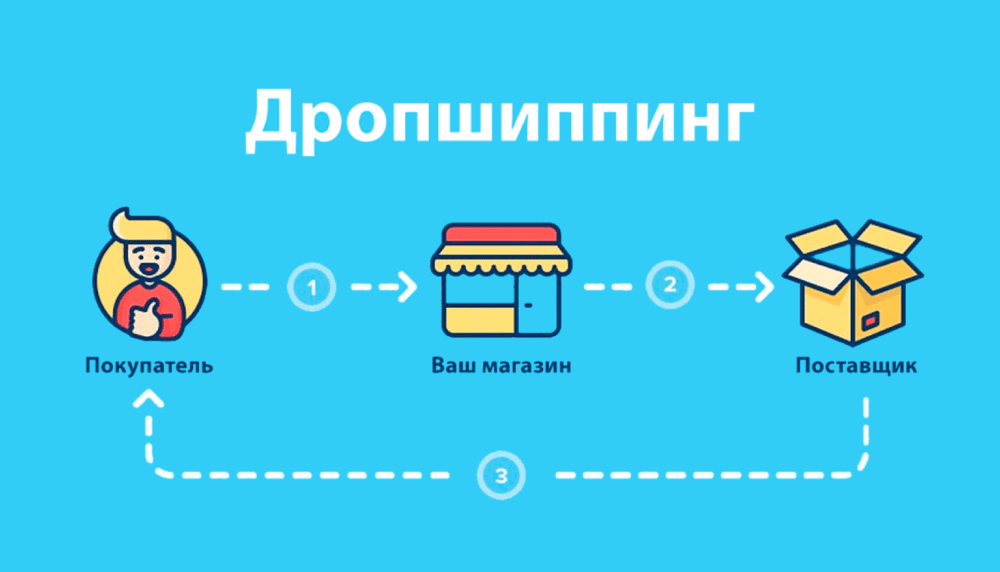
A few words about the legal side of things. If you operate on a dropshipping model—your profit margin is literally just a few percent—so all the losses described above hit twice as hard. A single unfulfilled order can wipe out the profit from ten sales.
Most small online stores register as sole proprietorships under the simplified tax system (Group 3: 5% of turnover or 3% plus VAT). Don’t forget that the single tax is another expense that needs to be factored into your profit margin. If you have 500,000 UAH in turnover, 5% amounts to 25,000 UAH per month. That’s a significant amount for a small business.
VAT applies to those who have exceeded the 1 million UAH threshold over a 12-month period. The math is different here, so it’s worth going over the figures with an accountant in advance.
Tools You Can’t Do Without to Maintain Your Margin
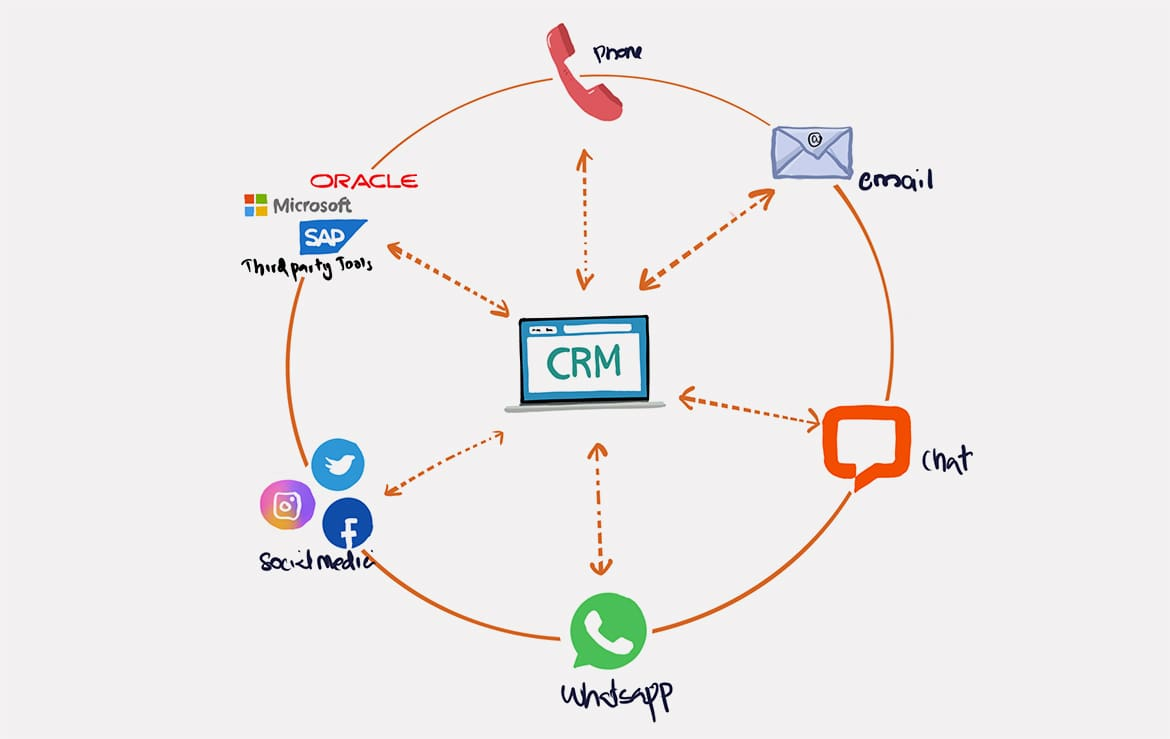
- A CRM system—to keep track of every customer, their orders, returns, and purchase frequency.
- Click tracking (e.g., Ringostat) — to determine which advertising channel actually brings in a customer, rather than just a click.
- Google Analytics + GTM — a must; without analytics, you won’t be able to assess the effectiveness of your ads.
- Integration with Nova Poshta and banks—automation saves managers hours of work time.
- Email templates and chatbots—to keep repeat sales running on autopilot.
The less manual work involved in each order, the higher the margin. After all, a manager’s time is valuable too, and every hour spent manually filling out a shipping label is money that could have ended up in your pocket.
The profit margin of a small online store isn’t just a number on a report. It’s the result of dozens of small decisions: where to sell, how to calculate cost of goods sold, how to manage repeat customers, how to deal with returns, and which platform to use to build your store. Each of these decisions either adds to or subtracts from your profit margin.