There are plenty of effective ways to promote an online store today. But what is truly reliable, and what just eats up the budget? Where should you invest if you don’t have enough money for everything? Let’s break down these questions and show you how to attract customers to your online store without unnecessary spending and disappointment.
What tools are available for promoting an online store?
At the start, it makes sense to choose options that don’t require huge investments and can be launched as quickly as possible. Test — evaluate effectiveness — draw conclusions. This approach saves both money and nerves, especially if you’re taking your first steps in online commerce.
Important! Without constant tracking of marketing effectiveness, it’s all for nothing. You need to clearly understand how many people each source brought and the cost of each acquisition. Only then can you build a comprehensive online store promotion strategy.
Contextual Advertising
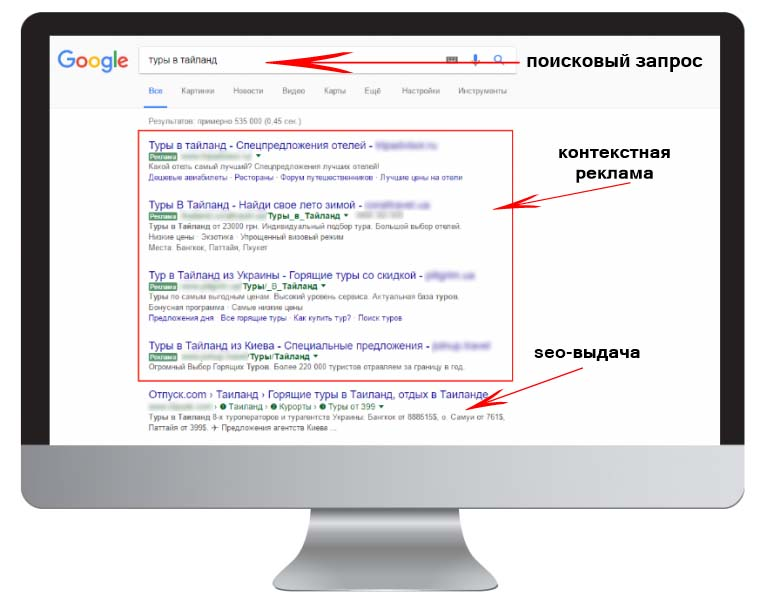
Perhaps the most effective way to reach a customer. The key point: unlike banners or videos shown to everyone indiscriminately, contextual ads are displayed only to those who are already searching for a similar product.
Here are the advantages of this solution:
- First leads come literally on the day of launch. No need to wait months for results, which is far more profitable compared to SEO.
- Ad messages are seen by “warm” users. These are people already ready to make a purchase, so the conversion rate from their visits is significantly higher.
Next — about the formats most often chosen when selecting advertising tools for an online store.
Search Advertising
When a person searches in a browser, the system collects relevant ads and lines them up. Some advertisers end up at the very top of the search results, while others are at the bottom or not shown at all. Those who make it to the top are the ones who:
- match the user’s query as closely as possible;
- lead to a fully functional and user-friendly website;
- are willing to pay more per click compared to competitors.
This doesn’t mean you’ll have to shell out thousands of hryvnias and battle large marketplaces. It’s much smarter to be clever — use low-frequency search phrases, tailor your texts and photos to geography, price segment, and assortment specifics. For example, a children’s shoe seller in Lviv doesn’t need to compete for the general query “children’s shoes” when “winter boots for boy Lviv” is far more effective.
Yes, promoting a store online isn’t just about advertising. Google Ads and similar systems prefer to show resources with stable and fast loading, clear navigation, and fresh content. With equal bids, the one with the more user-friendly site wins.
Display Advertising
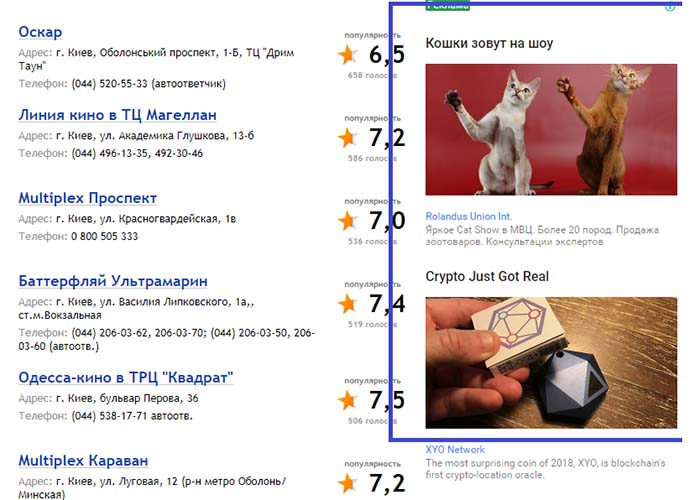
Display advertising includes everything beyond text: static images, animated banners, videos, interactive content. There may be captions or pure graphics without a single word. The format adapts to the platform where the ad is running.
All this visual content is shown on resources within the Google Display Network and can be targeted by various parameters: geography, age, gender, income level, profession, hobbies, online behavior. But keep in mind: the audience here is mostly “cold.” The person wasn’t looking for your product — they were simply reading a travel article or watching a borscht recipe when the banner caught their eye. Hence the modest CTR compared to search, but the reach is wider.
Remarketing

Designed to bring back people who have already visited your site but left without making a purchase. Formally, it’s not contextual advertising, but it’s set up in the same dashboards — Google Ads and similar platforms.
The task when launching is to collect a list of people you want to show ads to again. You need to somehow “remember” those who visited your site. This is done using a special piece of code.
Info! The tag (as the code fragment is called) assigns a unique identifier to each visitor and stores it in the browser’s cookies. This way, the system later recognizes the customer and shows a unique ad prepared specifically for them.
The ad itself, configured in the remarketing tool, can look like anything: a banner on the Display Network, an Instagram feed post, a short YouTube video. Once the target audience is collected, everything follows the usual pattern. The difference is that the ad is shown exclusively to a specific segment. This approach (often called retargeting) helps to close the deal with people at different stages of the sales funnel.
Dynamic Remarketing
Imagine: a person looked at your store, browsed a list of sneakers for 2500 UAH, added a couple of models to favorites — and left. Then a couple of hours later, they’re reading news articles and see a banner with those exact sneakers.
That’s dynamic remarketing in action. The system itself analyzes what the visitor viewed and compiles a personalized ad for them — the process is fully automated.
Such banners are shown on a huge network of Google partner sites: news websites, thematic blogs, forums, weather services. The person browses the internet, and the offer unobtrusively reminds them of itself. This is a very reliable way to increase sales in an online store.
Google Shopping
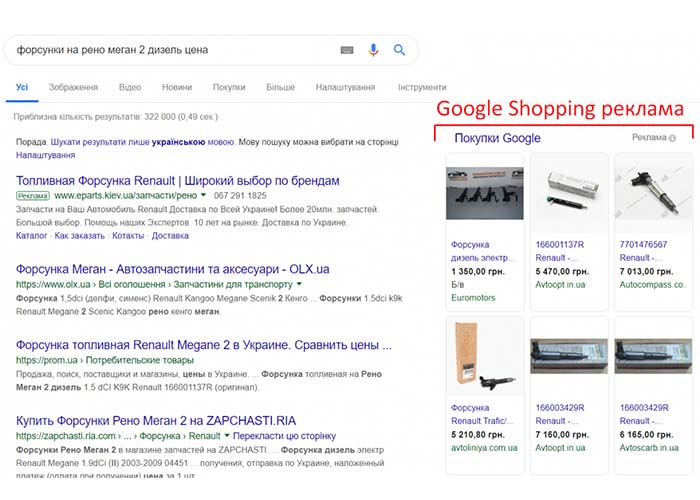
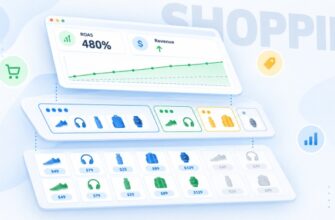
It allows you to stand out significantly. Unlike regular text, it immediately displays photos and prices, which dramatically increases the chances of a click. Google Merchant Center listings appear in search, YouTube, apps, and Display Network sites.
To launch product campaigns, you’ll need to:
- get your site in order to comply with Google’s rules;
- register the resource in Merchant Center;
- prepare a data feed — essentially a file with product descriptions (name, price, image, availability) — and submit it for review;
- set up and launch product campaigns in your Google Ads account.
At first, it may seem like a lot of work. But once the feed is set up and campaigns are active, the flow of leads happens by itself. You just adjust bids and monitor the analytics.
Google Performance Max
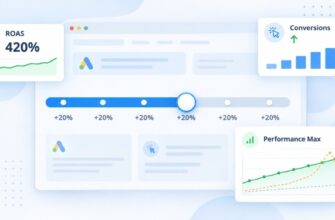
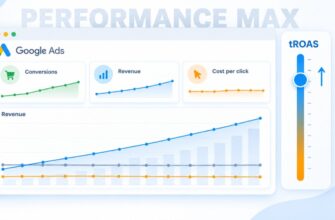
Performance Max appeared in 2021 and became one of the favorite tools for many advertisers. You launch a single campaign — and the ad runs across search, YouTube, Gmail, the Display Network, and the Discover platform. Previously, you had to set up a separate campaign for each service; now everything is packaged into a single tool.
The Google algorithm itself decides how and where to show ads, allocate the budget, and which audience segments to prioritize. The marketer’s job is to set the right goals: whether you want to collect leads, sell specific items, or increase the average order value. The machine handles the rest.
What this gives in practice:
- Reach. Ads appear on platforms you might not have thought to use manually. This improves sales and brand awareness — people remember the store without necessarily making a purchase.
- Smart discovery of “hot” audiences. The system collects user behavior data from various sources and precisely targets ads, which directly impacts ROI.
- Time savings. No need to jump between dashboards and manually adjust dozens of campaigns. The PPC specialist manages everything from a single interface, spending freed-up time on what really matters: data analysis, hypothesis testing, and creative processing.
Yes, Performance Max isn’t a magic pill. It needs data to learn, so for the first two to three weeks after launch, performance may fluctuate. Be patient — give the algorithm time, and it will reward you with a steady flow of leads.
Video Advertising on YouTube
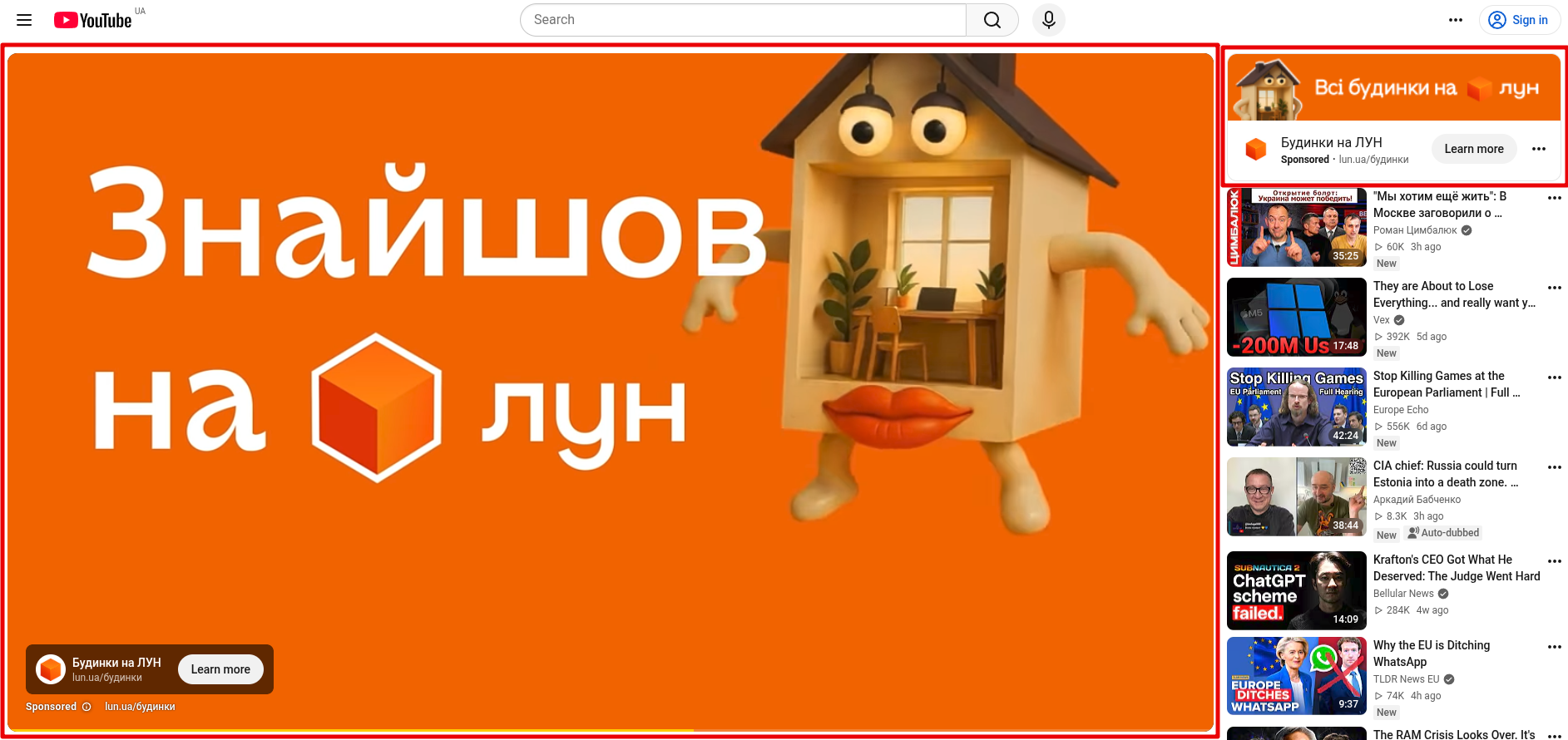
Marketers use YouTube for three main purposes:
- Build loyalty. No hard sell here: the video doesn’t shout “buy now” or list discounts. The goal is to associate the brand with pleasant emotions, beautiful imagery, and an interesting story. Later, when the person faces a choice, they’ll remember you.
- Announce a promotion or sale. The format is short, concise — 10 to 15 seconds. Store name, product, price, discount amount — that’s it, the viewer gets the message.
- Show the product in action. A great idea when you’re selling something truly unique. But if the item isn’t exclusive, this type of video ad also warms up your competitors — the viewer watches your video but buys where it’s cheaper.
The cost of showing on YouTube is cheap. But to make it work, you’ll need to invest substantially:
- in video production — a cheap video shot on the fly is unlikely to grab the viewer’s attention;
- in a skilled setup specialist — without one, you risk wasting the entire budget on non-targeted views;
- in impressions — seeing a video once or twice won’t make it stick; regularity is needed for the brand to sink in.
Targeted Advertising

It’s launched in the ad managers of social networks. In principle, it’s similar to the Display Network, but it shows exclusively within the chosen platform in its “native” format — photo/video with short text nearby.
The most effective platforms remain Facebook and Instagram, although in the last couple of years TikTok has been catching up — especially for the younger demographic. There are plenty of targeting options: geography, gender, age, marital status, interests, device. This helps avoid wasting the budget and instead hit the target audience precisely.
But the most popular setting is showing ads to those who have already been on your site, or people similar to them in behavior (look-alike). Lists for such campaigns are formed based on remarketing data, uploaded email addresses, or phone numbers.
Important! Selling everyday consumer goods at regular prices through targeted ads is a thankless task. People come to social media to socialize and watch memes, not to shop. The mood here is usually “relax,” not “buy.”
What really works:
- promotions, sales, limited-time offers;
- dynamic remarketing;
- advertising unusual or inexpensive items that appeal to a broad audience;
- native posts — stories, reviews, useful tips where the product is mentioned casually, without “buy now.”
And don’t forget about your USP: without a clear unique selling proposition, even perfectly configured ads will only work at half strength. What makes your store different from hundreds of similar ones? Free delivery in Ukraine? 30-day returns? Exclusive products? Put that front and center.
Price Aggregators
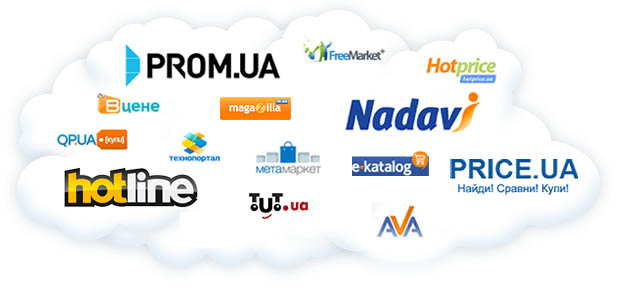
First, you’ll need to create a page on special catalog platforms and upload your product feed. Most aggregators have a convenient interface for importing data directly from your CMS — with images, descriptions, specifications, and prices. No manual work with thousands of product cards.
Info! In Ukraine, the most visited aggregators are hotline.ua, price.ua, ek.ua, and sravni.ua. They have a huge audience already ready to buy and compare specific offers.
The setup process is roughly the same: register, sign a contract, upload your database, configure updates. The one thing to know in advance: if you’re selling exclusive or niche items, you won’t get great results from aggregators. Their strength is mass demand, where buyers compare dozens of offers. But if you sell smartphones, home appliances, or popular brand cosmetics — great, leads will come.
SEO Promotion
This is a way to get visitors from organic search results on Google and similar search engines. If your site is properly optimized, it starts ranking for queries related to your products and gradually attracts a steady flow of interested people.
For web stores that have been operating for at least a year, about 60% of traffic comes from organic search. And the best part — it’s completely free. The reader found it, clicked, visited — all free.
The main goal of SEO promotion for an online store is to break into the top 10 for important keywords. Why top 10? Approximately 9 out of 10 internet users don’t go past the first page. The second page is, as SEOs joke, the perfect place to hide a dead body.
There’s a catch here: don’t expect quick results. Indexing takes up to two months. And a new site will then languish at the bottom for a long time while you fill it with content, fix technical issues, and build external links. It’s a marathon, not a sprint.
That’s why promoting an online store is always a combination of tools. While SEO slowly gains momentum, contextual and targeted ads deliver results and help keep you afloat. The SEO process itself consists of several stages worth examining.
Building the Semantic Core
Semantics are the foundation. The broader and more accurately you choose your keywords, the more people you can reach. Not just with generic phrases like “buy laptop,” but with narrow ones like “Lenovo IdeaPad Gaming 3 16GB laptop.” Yes, these phrases are searched less often, but the people searching for them already have their wallets out.
A good option here is to look at which keywords your competitors are using. Services like Serpstat or Ahrefs will show where the traffic is flowing for the leaders. It’s also worth expanding your list with Google’s Keyword Planner — it will suggest additional related phrases.
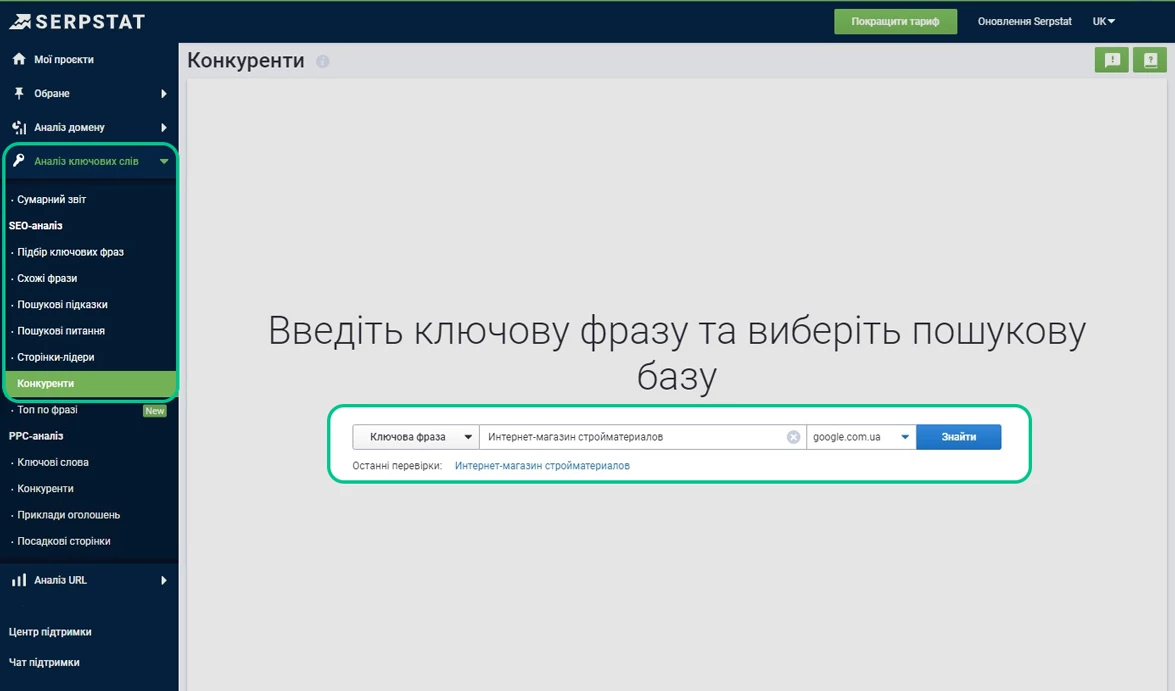
Once the first version of the core is formed, you’ll need to refine it. First — remove everything irrelevant (and there’s plenty of junk, trust me). Then — cluster the remaining terms by meaning and distribute them across pages: what goes to product cards, categories, and blog articles.
Final tip: don’t chase high-frequency keywords. You’ll never break into the top for “laptop” — the giants with million-dollar budgets already hold those spots. But long-tail phrases of 4-5 words, so-called “tails,” are much more attainable.
Structuring the Site
How your site is structured affects many things: how easily visitors can navigate the catalog, how quickly search bots crawl it, and how link equity is distributed between pages. Here are the basic principles:
- Break products into categories and subcategories — a person should understand at a glance where to go. If you’re stuck on structuring, check out competitors: see how the niche leaders are organized and take the best practices.
- Keep nesting to a minimum. Ideally, the path from the homepage to a product card should take three clicks. If visitors have to click five times, they’ll simply close the tab.
- Watch for broken and circular links. These are technical issues that hurt indexing and annoy users. Periodically run your site through a crawler like Screaming Frog or similar tools.
For an online store, a tree-like structure works best: homepage → categories → subcategories → product cards. This scheme is familiar to everyone, so visitors won’t need to learn how to use it from scratch.
Along with structuring, work on clustering — distribute the collected semantics across specific pages. A group of keywords corresponds to a category or subcategory. This sounds simple, but in practice, surprises appear: empty sections, duplicates, the same query group spread across two URLs. These issues need to be caught and fixed before Google notices them.
Content Creation
Content affects rankings in two ways. Directly — through keywords, uniqueness, volume, and structure. And indirectly — through behavioral factors: if people find the site interesting to read, they spend time on it, dig deeper into the catalog, and return to search results less often. For search engines, this signals a quality resource.
Special attention goes to product cards. Each should contain:
- A detailed description — not three lines of “great product, buy it,” but a real account of features, benefits, and use cases.
- Good photos from different angles. Preferably also in a setting or in someone’s hands — it’s easier for people to imagine the item in real life rather than on a white background.
- Current pricing and availability information. Nothing is worse than adding an item to the cart only to find out it’s been out of stock for three months.
A video review is a big plus. A short 1-2 minute clip answers dozens of questions a buyer might have and significantly increases the chances of an order.
There’s one pitfall with graphics: the heavier the images, the slower the page loads. And loading speed directly affects SEO and conversion. The solution is simple — use different size variations of the same image. In the general catalog, show lightweight previews, and load the full-size photo on click. Also, don’t forget about modern WebP — it weighs significantly less than regular JPEG and PNG without sacrificing quality.
Working with Meta Tags
For every page you submit for indexing, you need to write unique meta tags. This isn’t an SEO whim, but basic hygiene — otherwise, the site loses potential traffic for no good reason.
- Title. The headline visible in search engines. It must include the main keyword — not as a dead stamp, but in a way that sounds natural and catches the eye.
- Description. A detailed description of what the person will find on the page. Google shows it below the headline in search results. The clearer and more useful the description, the higher the click-through rate — and consequently, the rankings will gradually improve.
Implement Microdata
Microdata consists of special tags in the HTML code that help search bots more accurately understand what’s on the page. The most common standard is Schema.org. With its help, Google creates attractive rich snippets: with star ratings, prices, stock availability, and subcategories. Such a snippet literally stands out from the competition — and gets clicked noticeably more often.

There’s also another format — OpenGraph. It controls how a link appears when someone shares it on Facebook or Telegram. If OpenGraph isn’t configured, instead of a neat card with an image and description, a messy link may appear — and nobody will want to click on that.
Remove Duplicate Pages
Duplicates are pages with nearly identical content but different URLs. They’re insidious: they hinder indexing, dilute link equity, and in some cases can lead to search engine penalties.
Where do they come from? Technical quirks of the CMS, catalog filters, sorting options, incorrectly configured redirects. For example, the same product card might be accessible via five different URLs — and Google treats them as five unique locations on the site, unsure which one to show.
You can find duplicates for free — Google Search Console reveals some of the issues. For a more advanced approach, Screaming Frog SEO Spider crawls the entire site and cleans out duplicate Titles and Descriptions. Once duplicates are found, you’ll need to either merge them via a 301 redirect or close them with a canonical link.
Off-Page Optimization
On-page work isn’t enough — without external signals, breaking into the top is difficult. Comprehensive search engine optimization for an online store must include a link profile. Backlinks from authoritative resources pass so-called “trust” to your site — that very Google trust that boosts rankings.
When working with links, keep in mind:
- The number of donor domains. The more sites that link to you, the better — but only quality resources, not junk catalogs created solely for selling links.
- Topic relevance. A link from a major cooking portal won’t do much for selling auto parts. Look for donors with a similar audience and related subject matter.
- The pace of acquisition. Links should appear gradually and naturally. If yesterday you had 10 domains and today 500, Google will notice and penalize you. Slow and steady is better than fast with a filter.
- Live traffic from the donor. A link from a site with no visitors is nearly worthless. But a backlink from a resource that thousands visit daily works in two directions: for SEO and as a source of direct traffic.
- Weight distribution. Main links should point to priority sections — usually the homepage, top categories, and the most profitable product items. Through internal linking, the weight is then redistributed to deeper pages.
Incidentally, off-page optimization isn’t just about buying links. Good content, guest posts, media mentions, and activity in thematic communities also affect authority. And they often provide a longer-term effect than a one-time paid placement.
Teaser Advertising

Teasers are text-and-image ads that run on websites connected to teaser networks. The images, headlines, and descriptions here are usually bright, flashy, sometimes openly provocative — the whole idea is to catch the eye and spark the desire to click.
What are the advantages of this format:
- Very low cost per click. Compared to Google Ads or social media targeting, the cost per click here is negligible.
- Huge reach. Large teaser networks serve millions of impressions per month — if your goal is simply to “get seen,” there will be no problem.
- Lenient moderation rules. There are significantly fewer restrictions than with Google. You can promote things that would be banned outright in other systems.
But there are plenty of downsides too. The biggest one is the skeptical attitude. “Doctors shocked by this simple method…”, “What the government is hiding from ordinary citizens…”, “She lost 20 kg in just one week, and here’s how…” — such headlines have become so common that most people simply don’t notice them. The eye automatically glides past.
The second problem is targeting accuracy. Teaser networks are full of cold traffic and outright bots. You pay for clicks, but get very few real customers. Targeting options here are also limited — not much room to maneuver.
The niches where teasers are effective are quite narrow. Complex services, B2B, expensive items with a long decision-making cycle — none of these work. But inexpensive offers with a wow effect, brand replicas, costume jewelry, gadgets for a couple hundred hryvnias — these can yield decent results.
Using this advertising channel makes sense when you need cheap traffic to supplement your main campaigns. As an experiment, as a way to test a hypothesis — why not. But making teasers your primary focus would be a mistake. Their role is more supplementary than leading.
Social Media Promotion
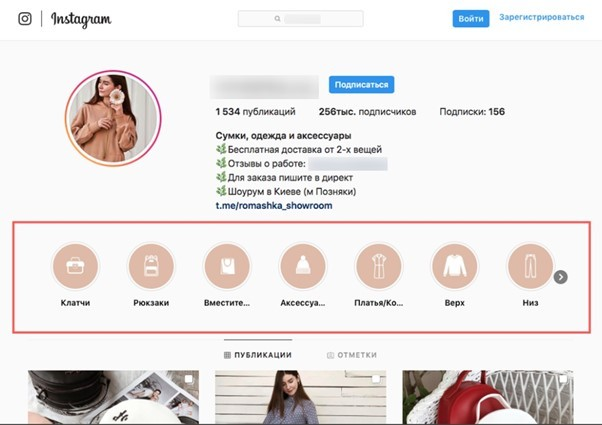
Social networks are a powerful helper in promotion, though they function a bit differently. The main goal of SMM is not so much to drive traffic as to build reputation and grow a loyal audience around the brand.
According to statistics, social networks lag behind organic search in terms of traffic volume. But it’s here that you gain followers who return to you again and again, read posts, participate in giveaways, and recommend your store to friends. And that can prove even more valuable in the long run.
Before promoting your store on social media, honestly ask yourself: where does your audience spend the most time? Spreading yourself across all platforms at once isn’t advisable — it’s better to focus on one or two key ones. Among those who sell online, the usual choices are:
- Instagram. One of the most popular platforms. The audience is young, active, and visually oriented. The focus here is on bright photos, stories, and Reels. If you sell clothing, cosmetics, jewelry, or home goods — Instagram should almost always be on your list.
- Facebook. An older demographic, average age around 30 and above. People here are more willing to read long posts, join discussions, and share opinions. Companies in the service sector often use it, but it’s also a working channel for stores, especially if you need to increase brand awareness or trust.
- YouTube. Everything here is video-based, which is both a plus and a minus. Producing quality video ads is harder and more expensive than writing a post. But the engagement level here is the highest of all formats. An ideal platform for native presentation: reviews, unboxings, comparisons with alternatives, crash tests.
By the way, don’t forget about TikTok — especially if your target audience is under 30. The short video format works well for reach, and the algorithm generously distributes impressions even to small accounts. Sometimes a random 15-second clip gives more traffic than a month of targeted campaigns.
Email Marketing
Email newsletters are a tool that helps build a base of repeat customers. But their usefulness doesn’t end there. Email marketing delivers several effects at once:
- strengthens brand trust;
- increases the percentage of visits that end in a purchase;
- brings people back for repeat purchases;
- keeps the audience engaged between major campaigns.
What can you send to subscribers? Pretty much anything they might find interesting: news, new arrivals, promotions and sales, loyalty program details, seasonal or holiday collections.
For example, before March 8, you send your database a selection of gifts under 500 UAH — and get a surge of orders literally the same day.
Info! If you have a blog, email newsletters become an excellent way to warm up your audience with useful content — articles, guides, reviews. This works not for a one-time sale, but for building long-term customer relationships.
But one thing email definitely won’t do is bring new people to you. It’s a way to communicate with an existing base. And that base has to be collected through other channels. First — acquisition, then — retention.
Classified Ads Platforms
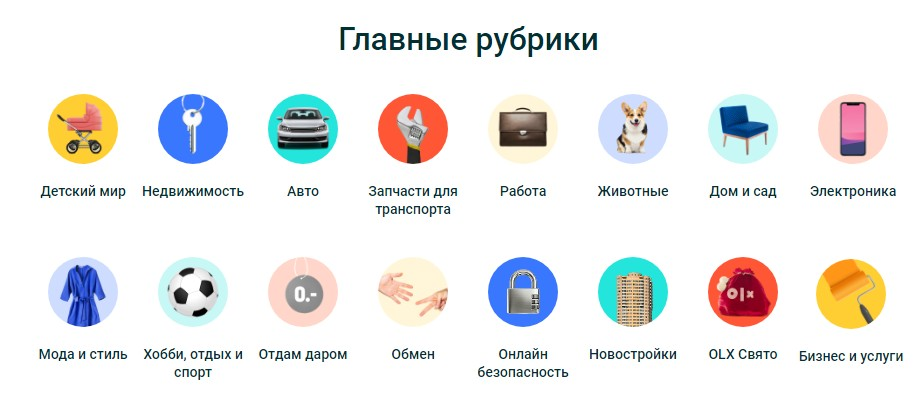
In Ukraine, the main platform of this kind is, of course, OLX. It accounts for the lion’s share of search and direct traffic. Besides OLX, izi.ua, ogolosha.com, and besplatka.ua are also worth attention — smaller in reach but still effective.
Millions of Ukrainians visit them every month, actively searching for something. For promoting an online store, this is a great opportunity to get in front of a wide audience. A bonus: you get a link to your site right in the ad.
To not just be present on the platform but actually get orders, keep these points in mind:
- Create separate listings. Nobody will dig through a single ad looking for what they want if it contains multiple items — the person will simply close the tab and go to your competitors.
- Test paid options. OLX has many: top placement, VIP status, featured on the homepage. Some work, some are a waste of money. Start with small budgets, monitor the effect, and keep what brings orders.
- Photos should be real and high-quality. Stock images from the manufacturer usually repel buyers — OLX customers want to see the actual product as it is. This reduces returns and increases trust.
- Include links to other resources. Website, Instagram, Telegram — anywhere the customer can contact you or learn about your store. Some prefer writing in Direct, others prefer placing an order right away.
- Keep information updated and respond quickly. On classified platforms, most people write directly in the built-in chat rather than calling. And if you reply a day later, the customer has already bought from a competitor. The rule is simple: the faster the response, the higher the chances of a sale.
Influencer Advertising

Popular bloggers have an audience comparable to small TV channels or online publications. But there’s one important difference — the level of trust. Subscribers see their favorite creator not as a faceless advertising medium, but almost as an acquaintance whose opinion can be trusted. That’s why working with opinion leaders has become one of the most effective ways to promote a website.
What makes this channel good in practice:
- Wide reach in a short time. One successful integration post with a blogger who has hundreds of thousands of followers can bring a flow of orders that even a targeted campaign doesn’t always provide.
- High level of trust. When a blogger talks about a product in their own words, shares impressions, and shows how they use it in real life, it’s perceived completely differently than a direct “buy from us.” The word-of-mouth effect kicks in — subscribers start discussing the product in comments and sharing it with friends.
- Authentic, non-template presentation. Each blogger integrates marketing in their own way — through a story, a joke, an unboxing, personal experience. It’s not a dry banner but content that organically fits into the subscribers’ feed and doesn’t cause rejection.
- Barter opportunities. You don’t always need to pay money. With micro- and nano-influencers, you can negotiate placement in exchange for the product itself. Yes, it won’t work with everyone, but for a young store with limited funds, it’s a perfectly viable arrangement.
The main thing is to choose the right person to collaborate with. Follower count is far from the main criterion. What matters much more is how much the blogger’s audience overlaps with yours.
A fishing supply store won’t get much from a fashion influencer with a million followers, no matter how tempting the reach numbers look. But a small YouTube channel with 20,000 avid fishermen will deliver far more real orders.
Don’t just look at social media. Owners of niche websites, Telegram channel authors, and podcast hosts also qualify — anywhere there’s a dedicated audience. And one more thing: always check the blogger for fake followers. Services like trendHERO or LiveDune will help you understand whether the audience is real or if most followers are bots bought for a pretty display window.
Forum Promotion
Many have written off forums today — saying the era is over, everyone has moved to social media. But that’s not entirely true. Thematic communities are still alive and gather an interested audience, with minimal acquisition costs. People come there with specific questions and look for specific answers — which means you’re dealing with already “warmed-up” users.
There are mainly two ways to promote an online store on forums:
- Hidden advertising. Essentially, you become a participant in topical discussions and subtly mention your service where appropriate. Someone asks where to buy good hiking boots — and you just happen to sell them. Share your experience, give advice, leave a link. The key is not to be pushy and not to plaster ads in every thread, or moderators will ban you.
- Official placement. Here you negotiate directly with the forum administration: a banner in the header, a pinned topic in the relevant section, a teaser in the sidebar. Yes, this is a paid option, but usually not too expensive. The effect is long-lasting and perceived more favorably — since the administration approved it, the store must be legit.
When choosing a platform, look at its activity level. Sometimes a forum looks big, but the last post in a section was three years ago. Look for communities with an active community where people communicate, ask questions, and read answers. And before you start, be sure to read the forum rules, especially the section on advertising — to avoid unpleasant surprises with deleted posts and a blocked account.
What Mistakes in Online Store Promotion Are Important to Avoid?
Advertisers step on the same rake when it comes to promoting an online store. These mistakes are quite typical, and the good news is that most of them are easy to prevent — if you know what to look for. Let’s break down the most common ones.
Lack of a Unified Strategy
Planning out an online store promotion strategy is that one piece of work many prefer to skip — and then wonder why nothing works.
Without clear goals and an understanding of what steps lead to them, all subsequent efforts turn into a chaotic set of actions. Today you launch SMM, tomorrow you abandon it, the day after you decide to try Performance Max, then you remember SEO — and no channel gets a proper chance to prove itself.
The right approach is to create a promotion strategy for at least a year ahead. It looks something like this:
- define key goals — not abstract “sales” but concrete ones: for example, 200 orders per month by the third quarter, average order value — 800 UAH;
- outline which tools you’ll use and when, and what budget you’re allocating to each channel;
- once a month, sit down and honestly look at the numbers — what worked, what didn’t, what can be adjusted, and what should be abandoned entirely.
Such a system brings clarity. You’re not flailing around; you clearly understand what you’re working on now and why. And if in a couple of months something doesn’t go according to plan — that’s also normal, the strategy isn’t set in stone. The main thing is that you have one.
Mistake in Choosing a Specialist
No matter how you look at it, the store owner almost never has enough time for promotion. Especially in the first months, when you need to simultaneously handle purchasing, logistics, order processing, and a thousand other details.
The logical solution is to bring in people who will handle marketing professionally. But finding a truly competent contractor rarely happens on the first try. There are several collaboration formats, each with its own pros and pitfalls.
Freelancer
The main advantage is the price. Freelancers usually charge significantly less than agencies, and for a small store, this may be the only affordable option at the start. But there are plenty of risks here too. The work may be done carelessly, deadlines may be missed, and sometimes the contractor simply disappears at the worst possible moment — hopefully without an advance payment.
That said, there are true professionals among freelancers — responsible, almost always available, working for years with the same client base. Finding one is great luck. And yes, their services usually cost more than the “market average.”
In-House Marketer
An in-house employee is easy to control — they’re right in front of you every day. This format seems reliable, but there’s a catch: one person physically cannot handle the entire spectrum of promotion. SEO, SMM, analytics, email marketing — these are areas that require completely different skills. And doing the work of a PPC specialist, targetologist, and SEO specialist all at once — almost no one can do that well.
Maintaining a full marketing department with several specialists from the start is expensive. When profits are still fluctuating and metrics are unstable, such a burden can simply kill the store.
Advertising Agency
The key here is not to fall for fancy presentations and to properly evaluate the contractor. What to look at first:
- List of services. If the agency specializes only in SEO or contextual ads, and you’re looking for a comprehensive solution — keep looking. It’s better to work with one team that handles everything than to juggle four contractors.
- Case studies. Ask for concrete numbers from completed projects: metric growth, cost per lead reduction, sales dynamics. Pretty words in a portfolio aren’t a measure of success.
- Company age. Agencies that have been on the market for 5-10 years have usually refined their internal processes and know how to work with clients.
- Awards and positions in industry rankings. Not the main thing, but as an additional argument — not bad.
An extra plus — if you see case studies from companies in your niche in the agency’s portfolio. It means the specialists are already familiar with the field, know the demand seasonality, understand which channels are ideal in this segment, and won’t waste your money figuring things out from scratch.
Relying on a Single Advertising Tool
Sometimes it goes like this: the online store owner launched a Google Ads campaign, got the first orders — and decided that’s the perfect solution. All money goes to Google Ads, while SEO, social media, and email marketing are remembered at best once a quarter. At first glance, everything seems fine. But then the auction heats up, competitors raise bids, the cost per click goes up — and leads become golden.
Important! You’ll get maximum results only when you use different promotional tools simultaneously, rather than sticking to just one. Each tool plays its own role.
Take a simple example. You’ve opened and are waiting for the first results of search optimization. They won’t appear tomorrow — this process takes months to gain momentum. What to do in the meantime? Launch contextual and targeted ads to get orders right now, while organic search slowly builds up. In six months to a year, the picture will change: SEO will start bringing the bulk of traffic, and paid channels will serve as amplifiers.
Focusing on Market Leaders
Another typical mistake for those who want to promote an online store from scratch is trying to compete with big players on their own turf. Copying Rozetka or Prom, competing for the same keywords, selling the same things at the same prices. The idea is doomed from the start. The giants have everything: millions in budget, streamlined logistics, direct manufacturer contracts, and a customer base built over years. Overtaking them on those terms is impossible.
It’s much smarter to find your own niche and stake it out. It could be a specific assortment that large platforms aren’t interested in due to small volumes. Or working with a narrow target audience — for example, products for left-handed people, mountaineering gear, handmade children’s clothing. Or a special service format: pre-purchase consultation, personal selection, fast delivery in a specific city.
Big players simply aren’t interested in such niches. The scale isn’t right, the margins aren’t right, they don’t want the hassle. But for a small store, these are ideal conditions: weaker competition, more loyal audience, and with the right approach, you become if not a monopolist, then a clear favorite in your segment. Better to be king of a small lake than a small fish in the ocean — that’s roughly how it works in practice.
What Needs to Be Done Before Promoting an Online Store?
Don’t dive headfirst into launching ads. First, get your own house in order. Here’s what absolutely needs to be done:
- Set up analytics. E-commerce tracking in Google Analytics, call tracking, integration with a CRM system, properly configured goals — all of this should be ready before you spend a single kopeck. Some advertisers, when they decide to order online store promotion services, try to save money specifically on analytics. And end up paying twice as much. Intuition is a poor advisor here.
- Work on usability. That sales depend on traffic and conversion is a given. But even small interface improvements can significantly boost both conversion and average order value. Convenient filters, clear buttons, a fast cart, a straightforward checkout form — all of this directly impacts the numbers. A separate issue is abandoned carts: the percentage of customers who leave their purchase in the cart often reaches 70%.
- Check the site’s technical condition. Walk through the store with a buyer’s eyes. Is the cart set up correctly? Can products be compared? Do filters work properly? Does checkout proceed without surprises? And separately — loading speed. If a site takes 8 seconds to load, you’re losing visitors before they even see the product. This especially hurts mobile traffic, which currently accounts for about half of all visits.
- Study your target audience. Who is your customer? How old are they, where do they live, what are they interested in, what are their needs? Without this understanding, you’ll be throwing ads into the void blindly. Suppose you sell expensive premium watches — and instead of emphasizing exclusivity and status, you focus on “discounts and affordable prices.” You’ll attract the wrong audience and waste money. Or the opposite: you know your customers are 30+, and you confidently exclude anyone younger from targeting. Your money immediately starts being spent more effectively.
Why Is It Better to Order Comprehensive Online Store Promotion Services?
There are two approaches to customer acquisition. The first is to put everything into one channel and try to squeeze the maximum out of it. The second is to distribute funds across several directions so they work together and feed each other. In practice, it’s the comprehensive promotion of an online store that creates that synergy effect where the result exceeds the simple sum of investments.
Moreover, the set of tools is different each time — it’s selected for a specific business, taking into account niche specifics, product features, audience behavior, and available budget. What works perfectly for selling electronics may be completely useless for a handmade jewelry seller.
If you have a large catalog and a branched structure, it makes sense to order advertising for your online store across several channels at once. Each one will work not just for overall traffic growth, but precisely — targeting a specific segment of the target audience. Three groups are typically identified:
- those who haven’t yet decided on a choice and are just looking;
- those who know exactly what they want but are still undecided on the brand;
- those who have already chosen a brand and are comparing offers.
Ads for each of these groups look completely different. For the first — informational, highlighting category benefits. For the second — comparative, emphasizing specific model features. For the third — directly targeting price, promotions, and terms (free delivery, gift, installment plan). To cover the entire spectrum, you have to create not dozens but hundreds of variations — for each product and each type of query.
Similar logic applies to SEO. A focus on low-frequency queries, a separate page for each cluster, thoughtful internal linking — all of this, combined with paid advertising, email marketing, and social media, delivers multiplied efficiency growth.
Achieving such results alone, especially without experience, is practically impossible. That’s why many store owners turn to promotion specialists who know how to assemble everything into one system — and drive it to stable sales.