Online Advertising Services
 Online advertising is perhaps the most effective promotion method available today. It allows you not just to “show yourself”, but to find people and start a meaningful conversation with them. And the scale is impressive: according to eMarketer, global spending on online advertising in 2025 reached $526 billion. That’s about 64% of all advertising budgets worldwide. Simply put, out of every three dollars spent on promotion, two go here.
Why is business moving online so actively? It’s all logical. Online advertising allows you to precisely target the right audience, achieve success almost instantly, quickly change settings, and scale what works.
But it’s not just about attracting new customers. It can also solve other problems: increasing brand awareness, “warming up” potential customers at different stages of the funnel, bringing back those who have already been on the site but didn’t buy anything. And also — strengthening relationships with existing customers by reminding them of yourself.
What online advertising services do we provide?
We work with all major types of online advertising available in Google Ads:
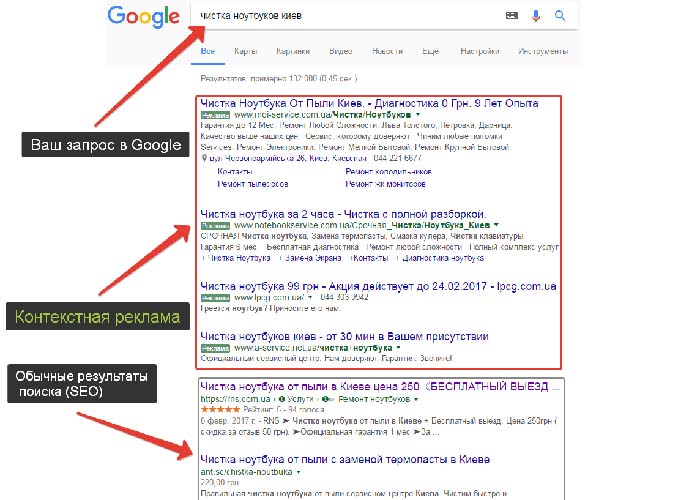
A basic and time-tested option. The idea is simple: You pay per click on an ad in search results. Why “contextual”? It appears in response to a query. A person types “order pizza Lviv” — and sees your offer. No blind shooting, exceptionally precise targeting of the audience’s need.
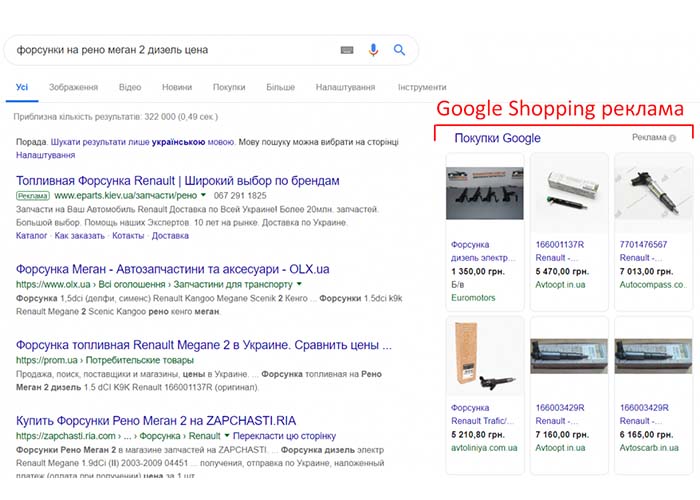
Tailored for online stores. Product cards appear in search results — with photo, price, and store name. This is convenient for users: they can compare several offers in seconds without going to many pages. In terms of conversion, product ads often outperform classic text ads.
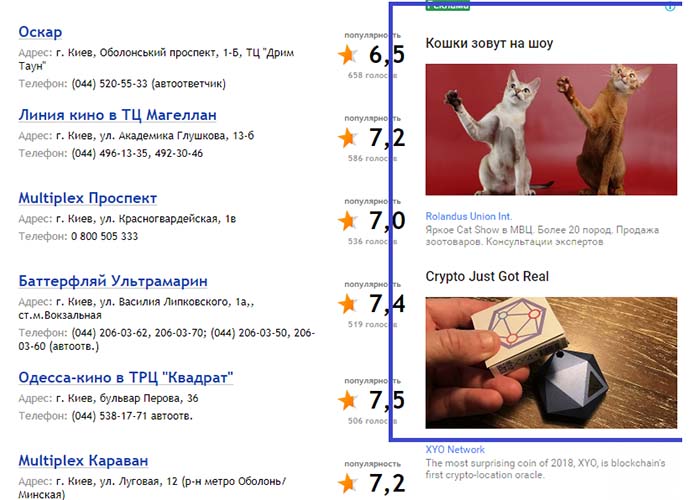
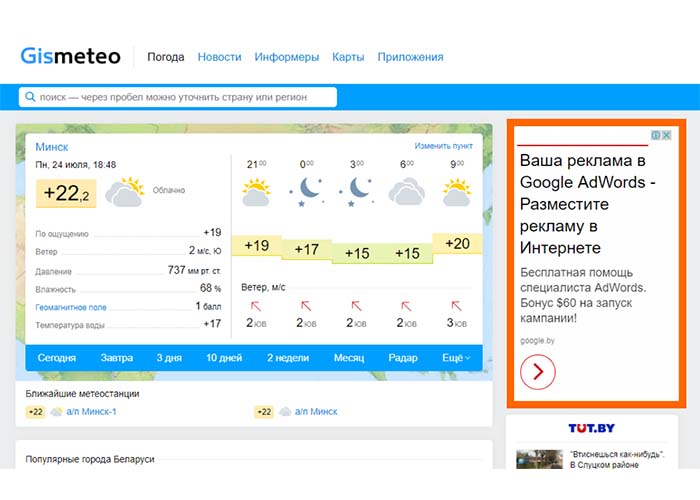
The mechanics here are different. Your banner is placed on Google partner sites — news portals, blogs, forums. The user sees it, clicks, and goes to your site. You can pay per click or per 1000 impressions — whichever is more convenient. A big plus is flexible targeting by geography, age, interests. Didn’t like the campaign? You can stop it in a couple of clicks.
Imagine: a person visited your site, browsed the catalog, maybe even added a product to the cart — and left. Familiar situation? Remarketing “remembers” such a visitor and then retargets them with ads on other platforms. To understand the scale: about 3% of visitors make a purchase from regular search ads. Remarketing helps bring back part of the remaining 97%. And this almost always leads to a tangible increase in sales.
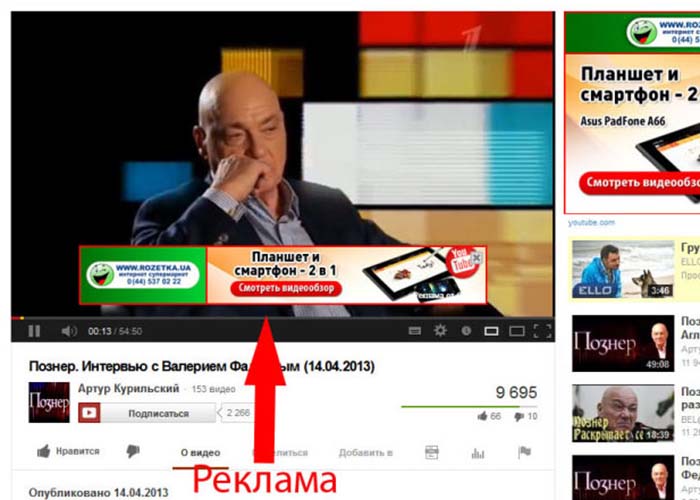
It’s hard to ignore YouTube — it’s one of the most visited online services on the planet. Yes, creating a good video is not easy: you need to grab attention in the first seconds and clearly convey the essence. But if done right, the reach and return from video advertising can far exceed other solutions.
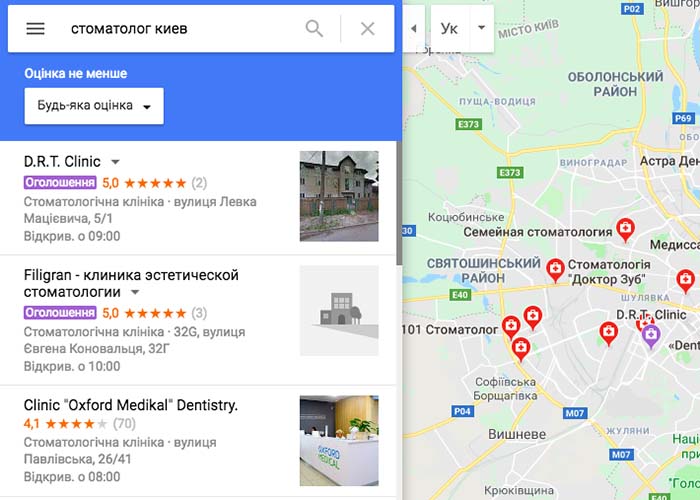
Geo-contextual advertising
Filters the audience by location. Ads appear in maps, navigators, and similar apps — they are seen by people who are currently near the promoted business. By the way, for local outlets — coffee shops, barbershops, tire shops — this is one of the most underestimated yet highly effective promotion methods.
Advantages of placing advertising online
Why does business every year more willingly shift budgets to the internet? Because placing online advertising offers a set of opportunities that traditional formats simply cannot compete with.
Among its main advantages:
- Huge audience reach. According to DataReportal, by 2025 the number of internet users in the world approached 5 billion — about 63% of the Earth’s population. And the dynamics are not slowing down: in developing countries, this number is growing by 8–12% per year. That is, the number of people you can potentially reach is increasing literally every day.
- Precise segmentation. Today, marketing platforms can show ads to very narrow groups — by age, geography, interests, behavior, even by purchase intent. Hundreds of parameters. In practice, this means one thing: you don’t waste money on people who are indifferent to your offer, and conversion rates increase many times over compared to the “carpet bombing” of offline advertising.
- Fast results. Launch in the morning — by evening you already see clicks, leads, first calls. No need to wait for weeks, like with outdoor advertising or a magazine publication. And if something goes off plan — you can fix it on the fly.
- Accessibility. You don’t have to be a corporation with millions in your pocket. According to WordStream, acquiring one customer online costs on average 7 times less than through offline channels. Even a small coffee shop or private tutor can start and get their first customers for quite affordable money.
- Geotargeting. You can limit the display exclusively to people located in a specific area. For example, you want to set up online advertising in Kyiv for a coworking space in Podil. It makes sense to set a radius of 2–3 km so that people from nearby neighborhoods see you. What’s the point of paying for clicks from Boryspil if your target audience is right across the street?
- Variety. Context, display banners, videos, teaser networks, email newsletters, social media promotion — there are plenty of options. This allows you to choose the channel (or combination) that will work best for your niche and goal.
- Transparent reporting. Here, perhaps, is the biggest difference from offline. Try to accurately count how many people actually noticed your billboard or read your flyer. Not easy, to say the least. But on the internet, all key metrics are available in real time. You see what brings results and what eats up money.
- High engagement. Unlike a radio or TV spot, placing online advertising implies immediate action. A person sees — clicks — follows the link — examines the product — places an order. The entire path from first contact to purchase can take just a few minutes. No intermediate steps like “write down the number and call us tomorrow”.
Are there any disadvantages to online advertising?
With all its advantages, online advertising is not a magic “get customers” button. There are nuances here that it’s better to know in advance:
- High competition. In popular niches, dozens or even hundreds of advertisers are fighting for user attention. Bids in such topics can be significant. But there’s a nuance: if the ad precisely hits the target audience’s need, and the setup was done by professionals — the price can be significantly reduced. A well-configured campaign “bypasses” competitors not by budget, but by relevance.
- Cost of error. Wrongly chosen target audience, too broad keywords, forgotten negative keywords — and the budget can disappear in a couple of days without a single lead. Say you sell custom luxury furniture, but you launched a campaign for the query “buy cheap furniture”. There will be clicks, but buyers — unlikely. To prevent this from happening, you’ll need either a deep understanding of advertising systems yourself, or to entrust the setup to an experienced agency.
- Complex analytics. Google Analytics, call tracking, end-to-end analytics — there are plenty of solutions for tracking statistics. But it’s not easy for a beginner to figure them out. Large agencies have in-house analysts for this, although it makes sense to involve them mainly with large budgets where the cost of error is truly high.
- Banner blindness. Users have become so accustomed to the abundance of advertising that they literally stop noticing it. The gaze slides past banners, advertising messages blend into the background. The only way to break through this “filter” is to select the target audience as precisely as possible and make an offer that really stands out from competitors. Template creatives don’t work here.
Important: Disadvantages are not a reason to abandon this promotion method. Rather, they are an argument in favor of high-quality setup and management of an advertising campaign. Most of the listed problems are solved with the right strategy and working with professionals.
4 reasons to order online advertising in Kyiv and Ukraine from Adwservice
Why do clients choose us? In short — we focus on results and value each project. Working with us, you will get:
- Long-term cooperation. Reputation is not an empty phrase for us. More than 70% of clients work with us on an ongoing basis, and this is perhaps the best indicator of trust. We are always in touch: we advise on marketing issues, help with technical tasks, and launch new projects together. This is not a one-time service — it’s a partnership.
- Over 200 successful projects under our belt. Our team has gone through a variety of niches and tasks. And each time we offer an individual solution tailored to a specific business. No template solutions. If you decide to order online advertising from us, the strategy will be built around your goals and product specifics.
- Transparent reporting. You know what’s happening with the project. Which tools are used, what results they show, money spent, and number of conversions. No “black boxes” — concrete numbers and clear conclusions.
- Honesty in communication. We don’t promise what we can’t guarantee. If we see that the chosen strategy will not bring the expected result, we will say so directly and offer an alternative. Our main task is to help your business grow, not just spend the budget.
Important: Ordering advertising is only the first step. Much more important is finding a team that will manage the project thoughtfully and with full dedication. That’s exactly how we work.
How to make online advertising more effective?
Launching a campaign is half the battle. The real work begins afterwards: you need to analyze, test, and improve. Here are a few recommendations that will help you get the most out of website advertising online.
- Calculate ROI. Without this, you simply won’t understand which channel brings profit and which drains the budget. Set up end-to-end analytics on your site and regularly analyze key indicators: lead cost, conversion rate, average check. For example, contextual advertising brings you a lead for 120 UAH, while banner advertising costs 400 UAH with the same conversion to sale. The conclusion is obvious, right?
- Segment your audience. The same creative cannot work equally well for everyone. Consider age, gender, interests, geography. An ad that works great for a male audience aged 25–35 may not appeal to women of the same age at all. Separate groups — and create individual ads for each.
- Choose the right platforms. It’s simple here: go where your customers already are. B2B services are more logical to promote through Facebook or business bloggers on YouTube. But a mobile game is more effective to advertise on TikTok. Don’t spread yourself thin — it’s better to focus on two or three channels and work them well.
- Surprise. Advertising itself is not a guarantee of results. You need a WOW effect. A creative that evokes emotion is memorable — people want to share it. This is how viral advertising is born — when users themselves spread it among their acquaintances. Template images with the inscription “10% discount” will not give that effect.
- Add a call to action. It seems like a small thing. But a short and clear CTA — “go to site”, “order now”, “subscribe” — can increase click-through rates by several percent. A person should immediately understand what to do next. Without a clear call, even a good ad loses some potential clicks.
- Think about mobile devices. In some niches, mobile traffic is 90% or more. If your ad displays crookedly on a smartphone or the landing page is not adapted — consider the money wasted. Check how everything looks on different screens before launching a campaign.
Current trends in the development of online advertising in Ukraine
The online advertising market in Ukraine does not stand still — it is actively changing, adapting to global trends. Here are the main directions that are already shaping the future of the industry:
- Interactivity instead of “just text”. It’s becoming increasingly difficult to hold user attention with text ads alone. Advertisers are increasingly using quizzes, surveys, mini-games — everything that engages a person in a dialogue, rather than just broadcasting a message. At the same time, the share of video advertising is growing: according to InMind, in 2025 it already occupied 35% of the Ukrainian advertising market. And this figure continues to increase.
- Automation and AI. Manual campaign setup is gradually becoming a thing of the past. More and more Ukrainian advertisers are switching to automated tools and programmatic marketing. Artificial intelligence optimizes impressions in real time, selecting the best combinations of audiences, platforms, and bids for a given budget. By the way, this is also a plus for small businesses — automation lowers the entry barrier, because you don’t need to hire an entire marketing department.
- The fight for user data. Personalization requires information. Therefore, advertisers are increasingly seeking partnerships with mobile operators, delivery services, real estate agencies — with those who have data on customer behavior and preferences. Such collaborations allow for more accurate ad targeting and make offers truly relevant.
- Personal brand matters. People want to know who they are buying from. Faceless companies inspire less trust than a live expert with a blog on Instagram or a channel on Telegram. This is a long-term strategy, and many Ukrainian entrepreneurs are already actively using it — they run social media on their own behalf, show the behind-the-scenes of their business, and share expertise.
- Mobile traffic dominates. According to Factum Group Ukraine, in 2024, 79% of Ukrainian users accessed the internet via smartphone. For advertising in Ukraine, this means one thing: mobile-first is no longer a recommendation, but a necessity. Moreover, mobile traffic opens up additional opportunities for geotargeting — you can show ads depending on where a person is right now.
What is the cost of online advertising?
It is impossible to name one specific figure — too many variables: promotion channel, niche, level of competition, region, quality of ads. But so that you at least have a rough idea of the price range, let’s go through the main types of online advertising popular in Ukraine.
- Search advertising. The average cost per click is about 15 UAH. But “average” is a loose concept. In competitive topics (legal services, real estate, medicine), the cost per click can be significantly higher. The final cost is determined through an auction and depends on the frequency of the query, the number of competitors, and the quality of the ad itself.
- Email newsletter. To build a base of 2000 subscribers, you need to budget approximately 500–600 UAH. But here, the quality of the base is more important than the amount. Purchased address lists are almost a guaranteed budget drain. Only a live, interested audience and a well-constructed sequence of emails work.
- Social media advertising. On Facebook, a click usually costs about 7 UAH, and 1000 impressions — about 150 UAH. On Instagram, it’s a bit cheaper: 5–6 UAH per click. But the final price strongly depends on targeting. For example, you are promoting children’s products for young mothers in Lviv — with precise audience segmentation, a click can cost less than the average.
- Display advertising. CPM (cost per 1000 impressions) ranges from 50 to 300 UAH and above. The difference is determined by the authority of the platform, the duration of placement, and the volume of traffic. A banner on a popular news portal is one story. Placement on a small niche blog is quite another.
- YouTube. Payment model — Cost-per-View: money is debited only when the user actually watches the video. The minimum view price starts from 1 UAH. For campaigns where reach is important, this is one of the most budget-friendly video formats.
- Google Shopping. The cost per click on product cards — from 5 to 40 UAH. The spread is significant because the price depends on competition in the product category, the geography of promotion, and the characteristics of the target audience.
Important: All figures above are approximate. The actual cost in your case may be either lower or higher. To get an accurate budget for a specific project, it is better to request an individual calculation.
What other types of website advertising exist online?
Contextual advertising and Google Shopping are far from the only tools. There are other formats that can work great depending on your niche, product, and goals.
Google Performance Max
Performance Max is a relatively new campaign format in Google Ads, and it is especially relevant for online stores. The key feature is maximum automation based on machine learning.
The principle is simple. You specify goals and set a budget, and then the system itself determines where and when to run ads — in search, on YouTube, in Gmail, on the Display Network, even on Google Maps. In fact, Performance Max combines all of Google’s advertising channels into one campaign.
The algorithms track performance in real time and shift the budget to where the return is higher. The system constantly learns, tests different placements, and fine-tunes the result. The outcome — more conversions for the same money, and maximum automation.
Who is this suitable for? Almost any business. Large companies get the opportunity to automate website advertising online and free up their team for strategic tasks. And small and medium-sized businesses — access to the same advanced technologies used by big players. Without an inflated marketing staff.
Important: Performance Max is a powerful tool, but not a substitute for strategy. Algorithms optimize impressions, but the quality of landing pages, the attractiveness of your offer, and correct goal setting are still entirely up to you.
Teaser advertising
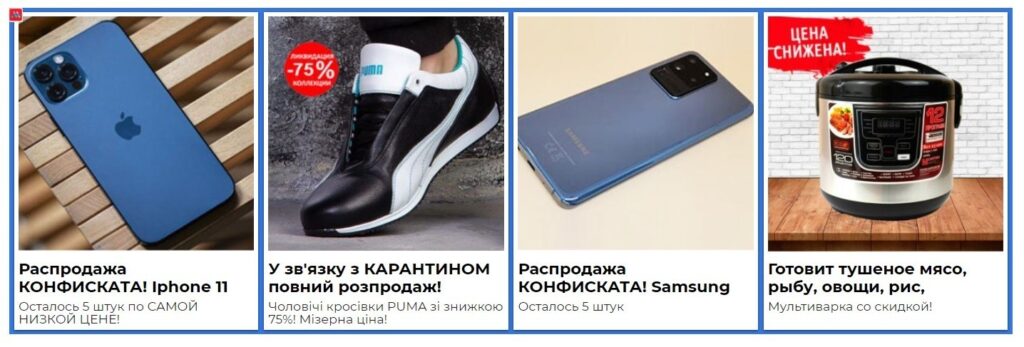
Teasers are compact blocks with a picture, a catchy headline, and short promotional text. The main emphasis is on clickbait: the headline intrigues so much that your hand instinctively reaches to click. And it works — sometimes the CTR of teasers on the same platform is higher than that of Google display ads. But it’s not that simple.
Teasers are placed through special networks — Marketgid, Kadam, and the like. This format has no relation to search engines. Moreover, sites that overdo it with aggressive teasers risk getting their positions lowered in search results.
Payment is usually per 1000 impressions, and the price is quite democratic. But teaser advertising is not suitable for every business. Promoting a law firm or premium electronics through it is a bad idea. But emotionally driven products or inexpensive goods are another matter. For example, you sell budget accessories or home goods — teasers can quite well give a good flow of orders with minimal investment.
Targeted advertising on social networks
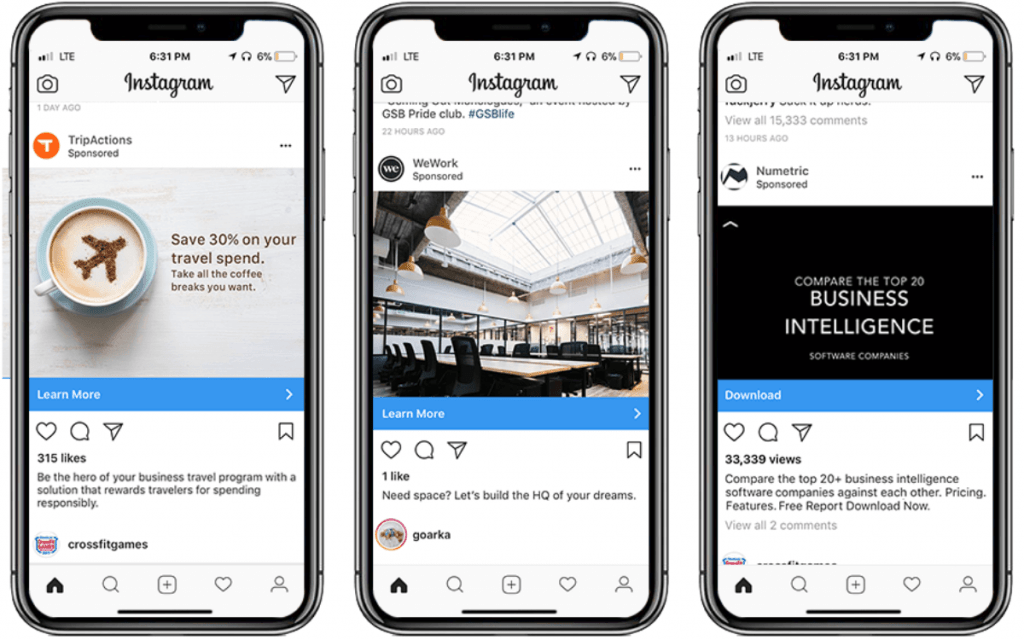
In the Ukrainian market, targeted advertising is perhaps one of the most popular promotion methods. Instagram and Facebook remain the main platforms: this is where a huge audience is concentrated, which can be segmented literally by dozens of parameters.
Attention: Targeting and SMM are not the same thing, although they are constantly confused. SMM is about content on the brand’s page: posts, stories, replies to comments. And targeted advertising is paid ads shown to specific groups of users. The goal is to bring a person to the site or to the company’s profile.
When is targeting especially useful? When demand has not yet been formed. For example, you are launching a new product on the market — say, an unusual kitchen gadget. People don’t know about it yet and, naturally, don’t search for it. Contextual advertising is powerless here — there are simply no search queries.
But through targeting on Instagram or Facebook, you can show the offer to those who might be interested in it, even if they haven’t thought about it themselves yet. For some niches, this is generally the only working channel at the start.
E-mail marketing
Email newsletters are a tool with a solid track record. Some consider it outdated, but it’s too early to write it off. Email marketing continues to deliver results, especially when you need to convey information to an already interested audience in a convenient and familiar format.
Newsletters perform best in several areas:
- Online stores. Subscribers can be sent selections of promotional items, personal discounts, useful tips. A person bought a coffee machine from you — a week later they receive an email with care recommendations and a selection of accessories. Simple, unobtrusive, and effective.
- News and information sites. A weekly digest of the best materials or a selection of the day’s top news is a proven way to bring readers back to the site time and again.
- Coupon and discount services. For such businesses, newsletters are almost the main sales channel. Regular emails with current offers maintain audience interest and consistently generate clicks.
Search engine promotion of websites
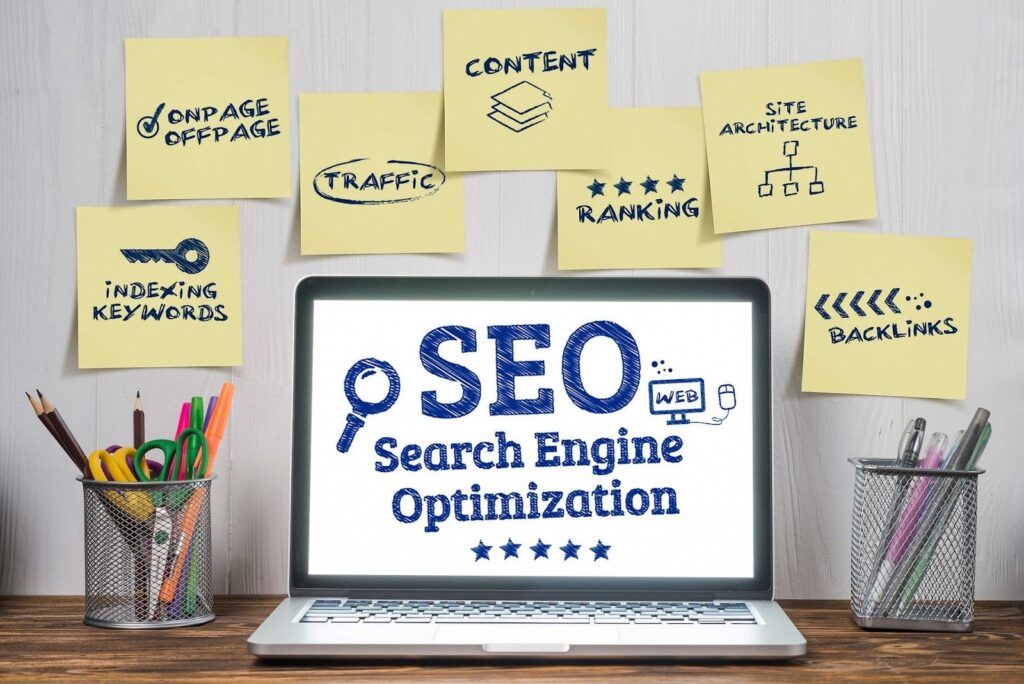
SEO is attracting targeted visitors from Google’s organic search results. Without paying for each click. In essence, work is carried out in three directions: technical optimization of the site, creation of useful content, and building link mass from relevant resources.
The key difference from contextual advertising is in the timeline. There is no instant result here. The first noticeable changes usually appear after 2–3 months. But then organic traffic comes without additional costs — you only pay a fixed amount to the SEO specialist.
And here’s the main advantage. If the promotion is set up correctly, the volume of traffic grows month after month, while the cost of work remains the same. Simple math: the more visitors, the cheaper each one becomes. In the long term, SEO is one of the most profitable channels. Honestly, probably only word of mouth is cheaper.
Affiliate marketing
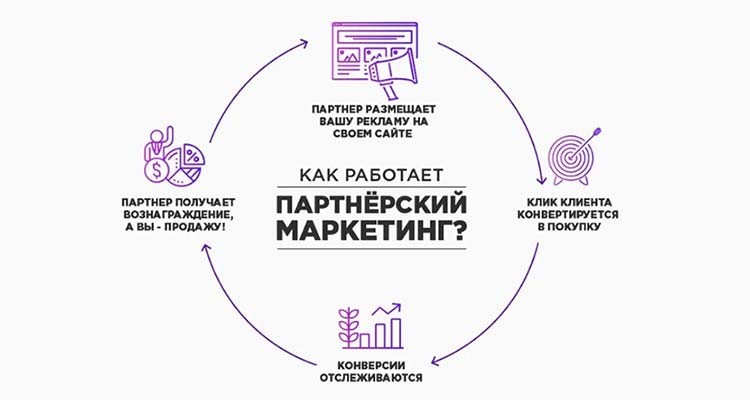
Affiliate Marketing is a model where an advertiser works with partners who bring visitors to their site. The link is a CPA network — a platform that connects both parties.
Who can be such a partner? Various options: a webmaster with a niche site, an arbitrageur buying traffic through context or social networks and redirecting it to the advertiser, or a blogger with a loyal and engaged audience.
Payment is based on the Cost Per Action model — you pay only for a specific target action. This could be registration, placing an order, subscribing to a service, or downloading an app. No clicks to nowhere — money is debited when the user performs the action you need. For a business with well-calculated unit economics, this is a very convenient and predictable model.
Push notifications
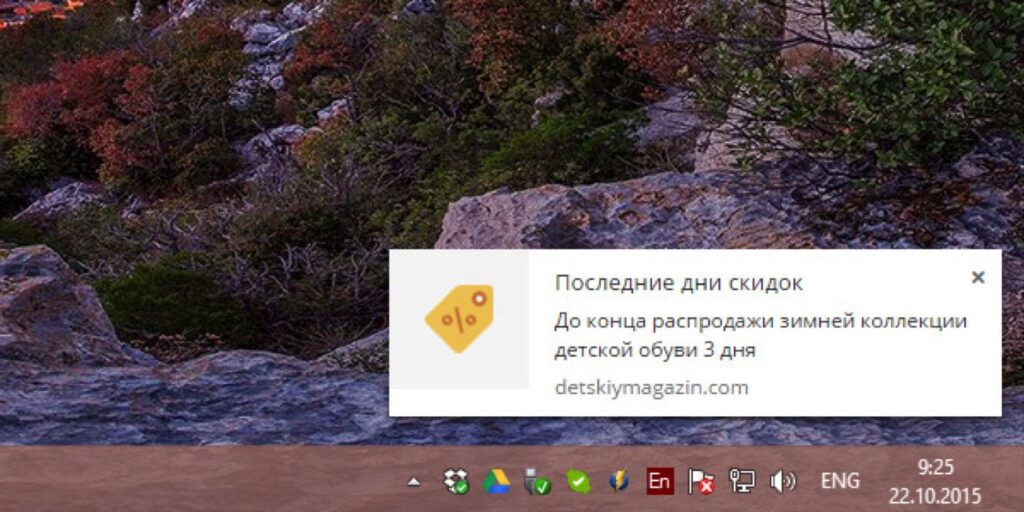
Push notifications — short messages that pop up on a smartphone screen or in a browser. Even when the screen is locked. That’s why their engagement rates are impressive: according to Accengage, the average open rate for push messages is about 40%. For email newsletters, this figure is usually much more modest.
There is another important point. To receive pushes, the user must give consent themselves. This means you are dealing with an audience that has consciously subscribed and is genuinely interested in your content. Not a cold list, but people who said “yes” themselves.
Push notifications work best for mobile apps, online stores, and entertainment projects. For example, you have an online shoe store — send a push about the start of a seasonal sale, and some subscribers will be on the site within a couple of minutes.
Advertising in messengers
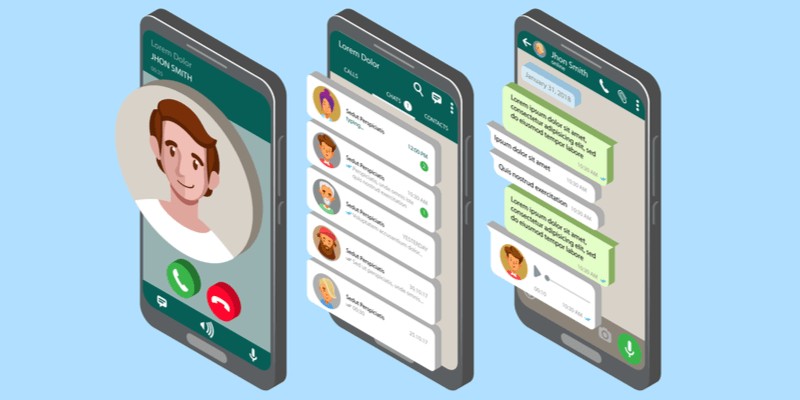
Telegram, Viber — for millions of Ukrainians, these have long been not just messengers, but the main channel of communication and content consumption. For businesses, this means direct access to an audience with high message open rates, the ability to personalize communication, and receive instant feedback.
What tools are available here:
- Sponsored posts in Telegram channels — you place ads in channels where your target audience is present.
- Chatbots — automate consultations, take orders, send newsletters without the involvement of a live manager. By the way, a good bot can handle most typical questions, replacing an entire support department.
- Targeted advertising in the chat feed — such a function exists, for example, in WhatsApp Business.
- Newsletters based on a list of numbers — a quick way to inform the audience about promotions, new products, or sales.
Native advertising
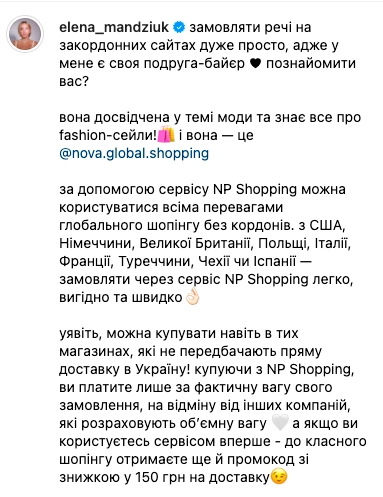
Native advertising is a format that organically fits into the content of the platform and does not look like a typical ad. Instead of a banner shouting “Buy now!” — a useful article, an interesting video, or a social media post that reads like regular authorial material.
Why does it work? People are tired of direct advertising. Banner blindness is not a myth, but a very real problem. The native format is perceived much more loyally, does not annoy, and helps tell about the brand unobtrusively. Even those who have developed a strong immunity to ordinary ads react calmly to quality native content.
Where can it be placed:
- Information sites and blogs. Advertising is presented as useful material consistent with the site’s theme. For example, on a culinary portal — an article with recipes that mentions a specific brand of olive oil. The reader gets value, the advertiser gets the audience’s attention.
- Social networks. Posts or stories that look like regular authorial content, but with a neat brand integration. Posts from bloggers and opinion leaders are a classic example of this approach.
- Mobile apps. Advertising content is embedded into the interface so that it visually does not differ from the main elements of the app.
Native advertising does not pressure with direct calls to purchase. It acts more subtly — through useful information, entertaining stories, interesting facts. Placement on large platforms or with popular influencers provides wide reach, while the presentation remains light and unobtrusive.
But there is also a downside. Creating quality native material is not cheap: you need competent copywriting, well-thought-out storytelling, and high-quality visuals. It’s more expensive than a regular banner. But the payoff is different — high engagement, traffic growth, and brand memorability.
Important: Native advertising can usually be identified by the label “Partner material”. This distinguishes it from hidden marketing and allows compliance with advertising legislation requirements.
Press releases
A press release is a company message distributed via online media. The reason can be different: the release of a new product, an event announcement, a comment on a current industry issue. The essence is the same — to convey information to a wide audience and attract attention to the brand.
But there’s a nuance. For a press release to really work, it should not look like an advertising leaflet. No “we are the best on the market” or “only with us”. A good press release is informative, easy to read, and unobtrusively introduces the audience to the advantages of the product or service. That is why experienced copywriters, journalists, or PR specialists are usually involved in preparing such materials.
Press releases can be distributed in two ways:
- Manual distribution to a media list. You select the publications yourself and send the material directly to the editorial offices. This allows you to target priority media resources for the business — for example, industry portals or major news sites.
- Through specialized PR services. Such platforms publish your press release immediately on dozens of sites. Saves time and provides wide reach, although control over the selection of specific publications is lower here.
Viral internet advertising
Viral content is when users themselves become your “advertising agents”. They saw a video, laughed, sent it to a friend. That friend forwarded it to three more. And it snowballs.
The main condition is that the content must evoke a strong emotion. Laughter, surprise, tenderness, delight — anything, as long as the person feels the urge to click “share”. The formats can be very different: videos, memes, infographics, unusual photos, or posts.
How does it work in practice? You create truly compelling material for your target audience and place it on social networks, YouTube, or niche platforms. Then word of mouth kicks in — people share the content, reach grows exponentially, and the brand gets a huge number of mentions.
True, there is another side: it is impossible to “make” content go viral on demand. You can create all the conditions, but there is no guarantee of the result. Therefore, viral advertising should be considered as an addition to the main strategy, not as the only channel.
Advertising with bloggers
Influencers are not just accounts with a large number of followers. They are people who are trusted.
When a favorite blogger recommends a product, the audience perceives it completely differently than a regular ad banner — more like advice from a friend. That is why collaborating with bloggers allows you to reach a loyal, “warm” audience and significantly increase sales. The main platforms are Instagram, TikTok, and YouTube.
What forms of collaboration exist:
- Direct advertising. The blogger talks about the product, shows it, shares personal experience of using it. The format is simple and one of the most budget-friendly. The main thing is to make sure that the influencer has a live, engaged audience, not bought followers.
- Native integration. The product is organically woven into the blogger’s usual content. For example, a beauty blogger films a video about their morning skincare routine and casually mentions a specific cream. Viewers perceive this not as an ad, but as a sincere recommendation.
- Product placement. The product simply appears in the frame without direct mention. Often used when there are restrictions on open advertising — for example, for alcohol or dietary supplements.
- Takeover. The blogger temporarily “takes control” of the brand’s page — shoots stories, goes live, publishes posts on their own behalf. Helps make the brand more lively and closer to the audience.
- Affiliate marketing. The influencer publishes a personal promo code for a discount or free delivery. Subscribers get a benefit, the brand gets new customers.
- Ambassadorship. This is no longer a one-time integration, but a long-term partnership. The blogger becomes the face of the brand, regularly mentions it in content, and conveys the company’s values. Over time, the audience begins to associate the brand with a specific person — and this is a completely different level of trust.
Advertising in mobile apps
The essence of the format is showing ads inside free applications on iOS and Android. These can be banners, short videos, interactive blocks embedded directly into the interface. The reach here is truly large, and you can launch a campaign through a regular Google Ads account — no specific skills are required.
But let’s be honest: the channel has noticeable weaknesses. And the main one is the quality of traffic. Ads are shown to almost everyone, without fine filtering, and it can be difficult to hit your exact audience.
Nuance: Free apps and games are largely the territory of schoolchildren, students, and people with small budgets. They click actively, no doubt. But a purchase rarely happens. So if you are selling, say, premium cosmetics or equipment worth 15,000 UAH or more — this channel most likely will not become your main one.